Fiber Separator for Tire Recycling
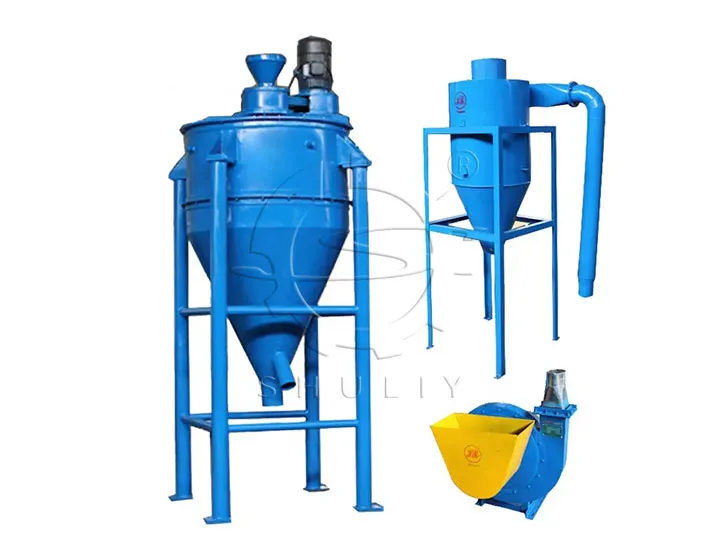
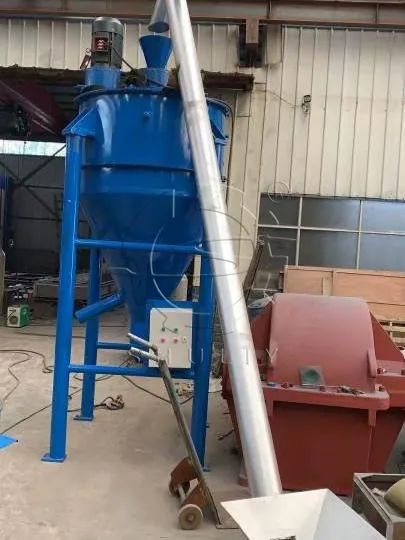
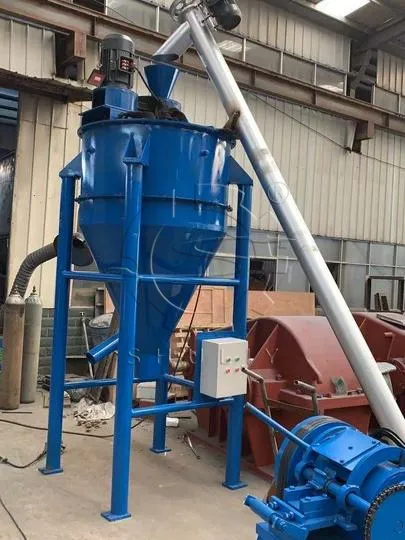
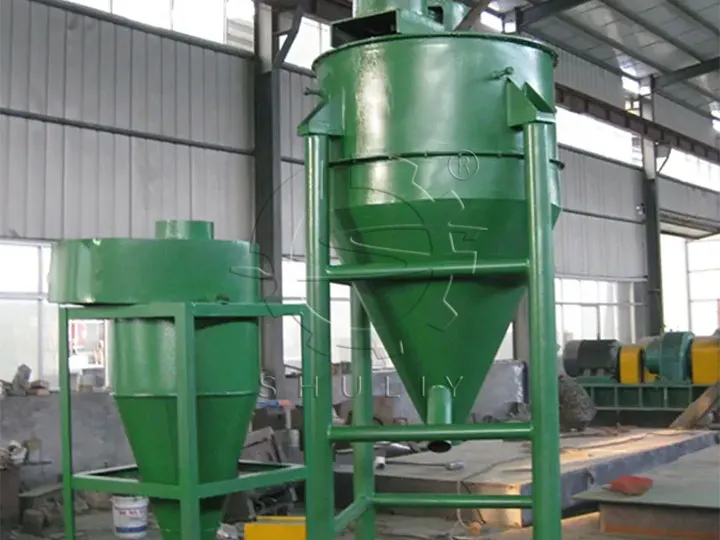
Fiber separator is a specialized machine used in rubber powder production lines to remove nylon fibers and other light impurities from rubber powder. This equipment ensures high-purity rubber powder by effectively separating fibers through air-based density separation technology.
Application and Function
During tire crushing and grinding processes, nylon fibers inside tires are broken down and mixed into rubber powder. These fibers can negatively impact the performance of recycled rubber and downstream products. The fiber separator effectively removes these impurities, ensuring cleaner rubber powder for high-quality applications.
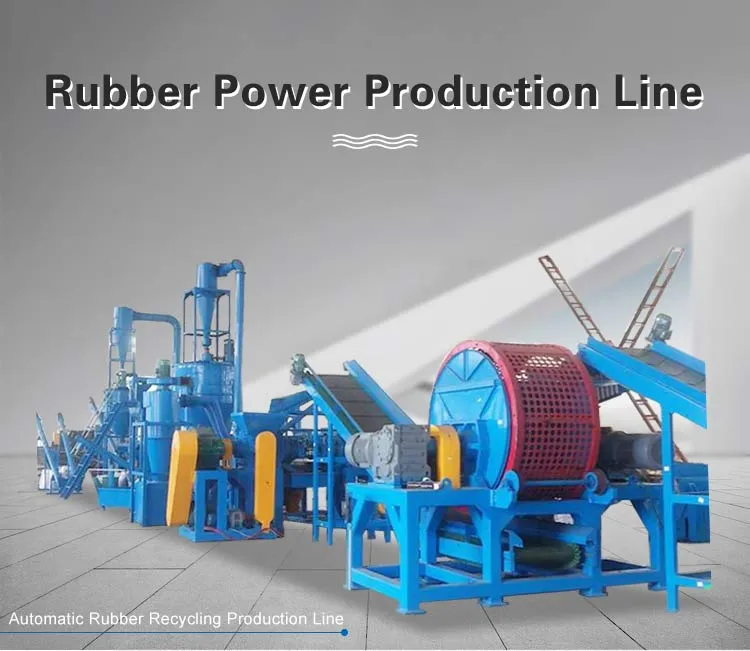
The fiber separator is typically used as a final processing step in rubber powder production lines. It works alongside equipment like tire shredders and rubber crushers to create a complete tire recycling system that produces high-purity rubber powder.
This video demonstrates the fiber separator machine in action within a complete tire recycling production line.
Features of Fiber Separator for Tire Recycling
- High separation efficiency: Ensures clean and pure rubber powder with up to 99% fiber removal rate.
- Simple structure: Easy to operate and maintain with minimal moving parts.
- Eco-friendly and energy-saving: Uses dry airflow separation without chemical additives.
- Versatile: Suitable for different sizes and types of rubber powder from various tire recycling processes.
- High capacity: Processes 800-1000kg of rubber powder per hour, suitable for industrial-scale operations.
- Consistent performance: Maintains stable separation efficiency even with varying input material qualities.
Working Principle of Fiber Separator Machine
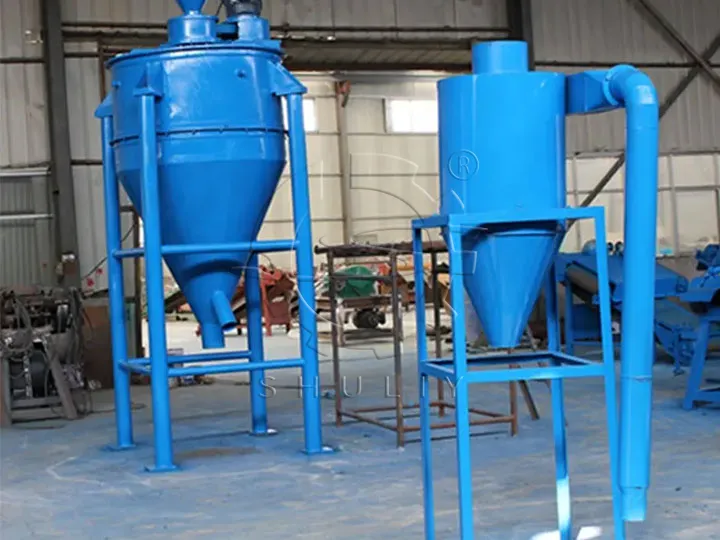
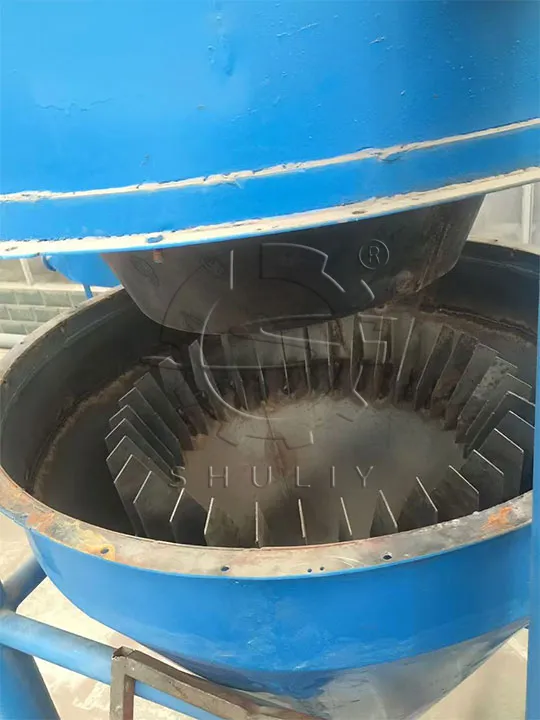
The fiber separator uses air-based density separation technology to remove nylon fibers from rubber powder. Material is fed through the central inlet, where it disperses in the middle section of the machine. A fan at the top creates upward airflow while material falls naturally, forming a stable air separation zone.
Under the combined effect of airflow and gravity, lighter nylon fibers are drawn upward to the top, where they disperse and slowly settle. Heavier rubber powder falls directly downward. The central outlet discharges nylon fibers, while the inclined outlet discharges cleaned rubber powder, achieving effective separation.
In practical use, the separation efficiency can reach 99% or higher, making it ideal for applications requiring high rubber powder purity. The machine performs best when processing rubber powder with a particle size of 3–4 mm, with finer powders achieving even more thorough fiber removal.
Performance and Operation Recommendations
The fiber separator operates based on the difference in weight and density between rubber powder and fibers. For optimal performance, continuous and uniform feeding is recommended to maintain stable airflow and consistent separation efficiency.
Under proper operating conditions, the fiber removal efficiency can reach 99%, and in ideal situations, it can even approach 100%. The separator is particularly effective for rubber recycling and regeneration lines requiring high final product cleanliness.
Technical Parameters
| Parameter | Specification |
| Motor Power | 5.5 KW |
| Motor Speed | 760r/min |
| Processing Capacity | 800-1000kg/h |
| Dimensions (L×W×H) | 1500×1500×3400mm |
| Machine Weight | 1600kg |
| Separation Efficiency | ≥99% |
| Input Material | Rubber powder (3-4mm particle size) |
| Output | Clean rubber powder, separated fibers |
Frequently Asked Questions (FAQ)
What is the separation efficiency of the fiber separator?
The fiber separator achieves a separation efficiency of 99% or higher, effectively removing nylon fibers and other light impurities from rubber powder. In optimal operating conditions, it can approach 100% separation efficiency.
What rubber powder particle size is best for this machine?
The fiber separator performs best when processing rubber powder with a particle size of 3-4 mm. Finer rubber powders generally achieve more thorough fiber removal, making this machine ideal for applications requiring high purity.
How does the fiber separator work?
The machine uses air-based density separation technology. A fan creates upward airflow while material falls naturally, forming an air separation zone. Lighter nylon fibers are drawn upward and collected, while heavier rubber powder falls downward for collection.
What is the processing capacity of the fiber separator?
The fiber separator has a processing capacity of 800-1000kg per hour, making it suitable for industrial-scale rubber powder production operations.
How does the fiber separator integrate into a tire recycling line?
The fiber separator is typically used as a final processing step in rubber powder production lines. It works alongside tire shredders, rubber crushers, and other equipment to create a complete tire recycling system that produces high-purity rubber powder.
What maintenance is required for the fiber separator?
Regular maintenance includes checking and cleaning air filters, inspecting fan blades for wear, lubricating moving parts, and ensuring proper airflow. The machine’s simple structure minimizes maintenance requirements compared to more complex separation equipment.
Contact Us for a Tire Recycling Solution
If you are planning to build or upgrade a tire recycling project, we can provide practical and customized solutions based on your raw material type, required output, and finished rubber powder specifications. Our fiber separator can be integrated into complete tire recycling lines alongside other equipment like tire shredder machines and rubber powder mill.
Our team will help you select suitable equipment, design a complete tire recycling line, and optimize the process for stable operation and high-quality rubber powder production. Contact us today to get a professional tire recycling solution and equipment recommendation.