How to Choose the Right Tire Recycling Machine for Your Business
Learn how to select the ideal tire recycling machine for your business. Compare different types of equipment, understand capacity requirements, and make informed investment decisions for your rubber recycling operation.
Starting or expanding a tire recycling business requires careful consideration of equipment selection. With numerous tire recycling machine options available, making the right choice can significantly impact your operational efficiency, product quality, and return on investment. This guide walks you through the key factors to consider when selecting tire recycling machine for your specific needs.
1. Identify Your Tire Types and Input Materials
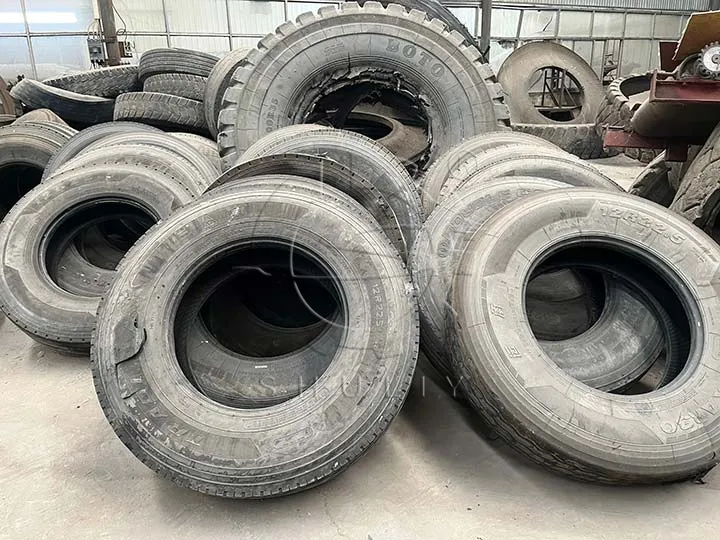
Before evaluating any tire recycling machine, you must clearly understand the types of tires you will be processing. Different tire categories require different equipment configurations:
| Tire Category | Size Range | Recommended Equipment | Processing Complexity |
|---|---|---|---|
| Passenger Car Tires | 15-22 inches | Standard tire recycling line | Low-Medium |
| Truck Tires | 22-24 inches | Heavy-duty recycling line | Medium |
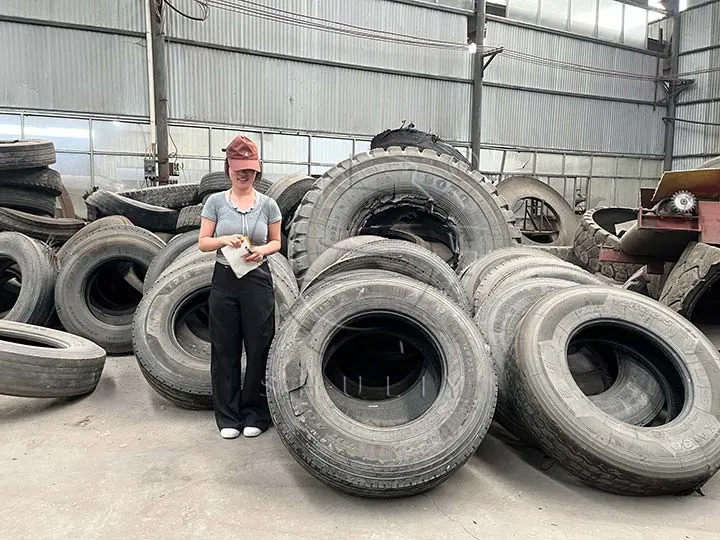
| OTR Mining Tires | 24-63 inches (1800-4000mm) | Specialized OTR recycling line | High |
| Agricultural Tires | Varies | Customized solution | Medium-High |
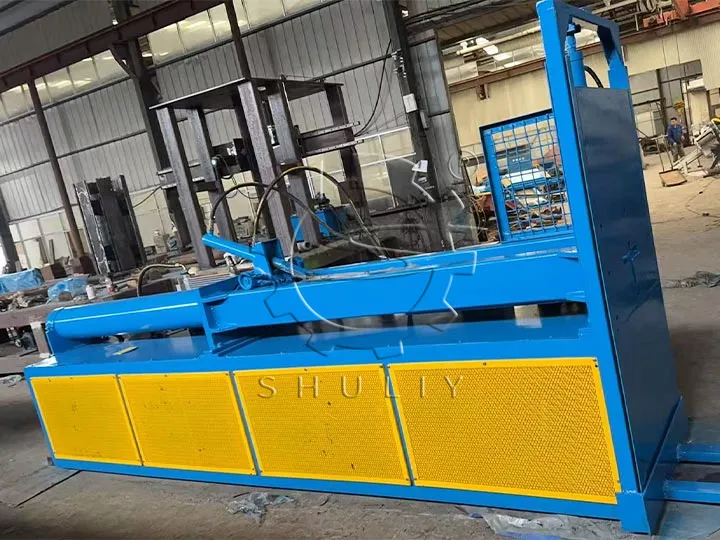
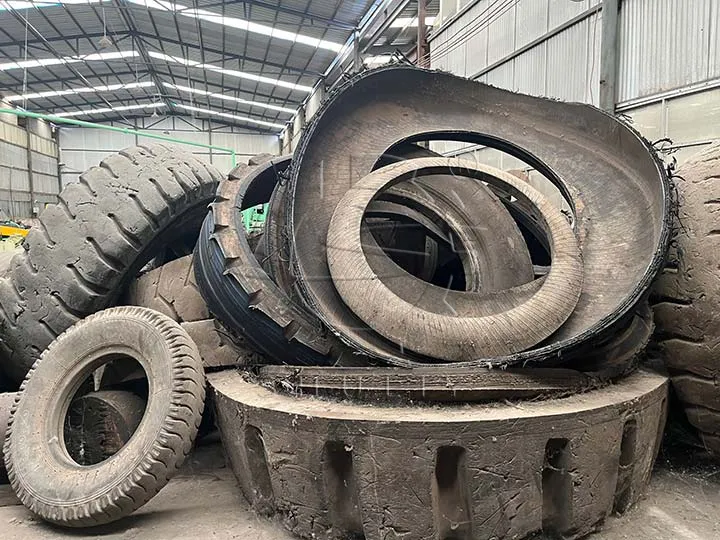
OTR (Off-The-Road) tires used in mining and construction are significantly larger and contain substantially more steel than passenger vehicle tires. If your operation handles OTR tires, you will need specialized equipment including heavy-duty OTR debeader machines and industrial-grade shredding systems that can handle the increased stress and material volume.
2. Define Your Capacity Requirements
Production capacity is a critical factor in machine selection. Consider both your current processing needs and future growth plans when evaluating capacity requirements.
- Small-scale operations: 1-3 tons/hour – Suitable for startups or businesses with limited raw material supply
- Medium-scale operations: 3-7 tons/hour – Ideal for established recycling businesses with consistent tire supply
- Large-scale operations: 7-15+ tons/hour – For industrial recycling facilities processing high volumes continuously
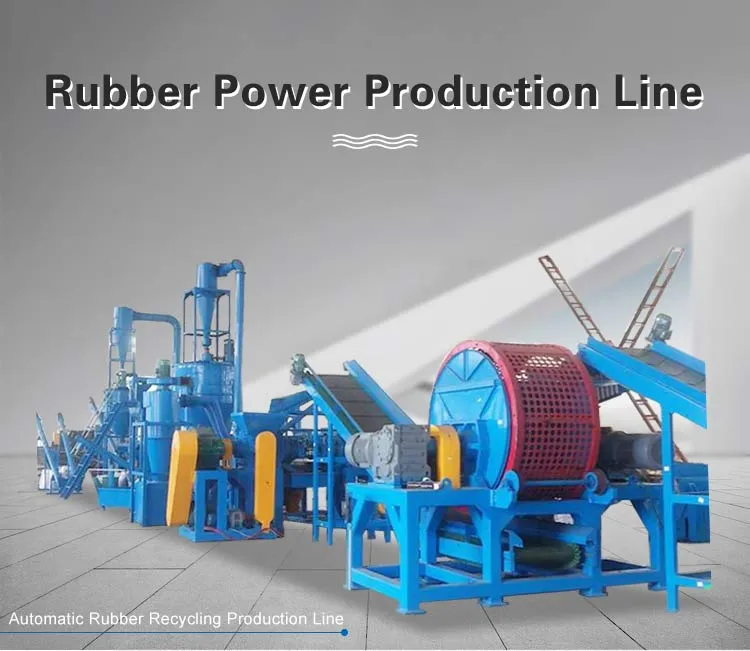
Our waste tire recycling line offers customizable configurations to meet various capacity requirements, from small batch processing to continuous industrial-scale operations.
3. Determine Your Target Output Specifications
The final product specifications directly influence the tire recycling machine configuration you need. Common output products from tire recycling include:
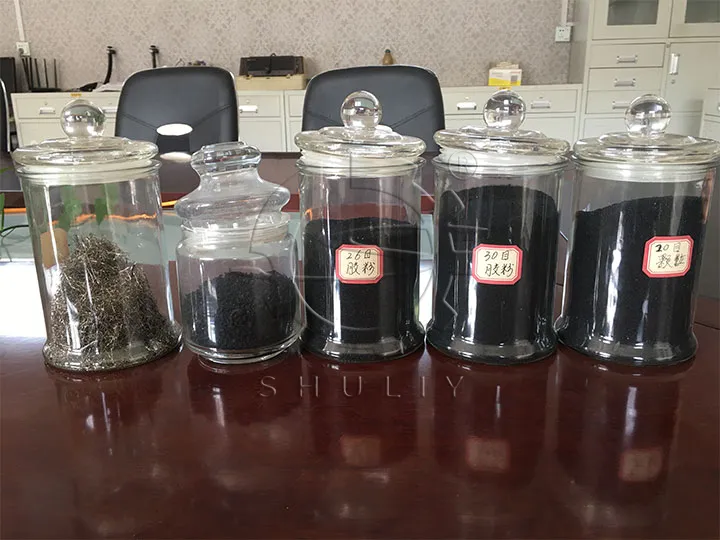
- Rubber chips (5-10mm): Used for rubber tiles, playground surfaces, and base course materials
- Rubber granules (1-5mm): Applied in sports surfaces, artificial turf infill, and molded rubber products
- Rubber powder (20-120 mesh): Used in asphalt modification, new rubber products, and fine industrial applications
Higher purity requirements (99%+ rubber powder purity) require additional processing stages including magnetic separation and fiber removal systems. Consider investing in a complete rubber powder production line if your target market demands fine mesh rubber powder specifications.
4. Evaluate Core Machine Components
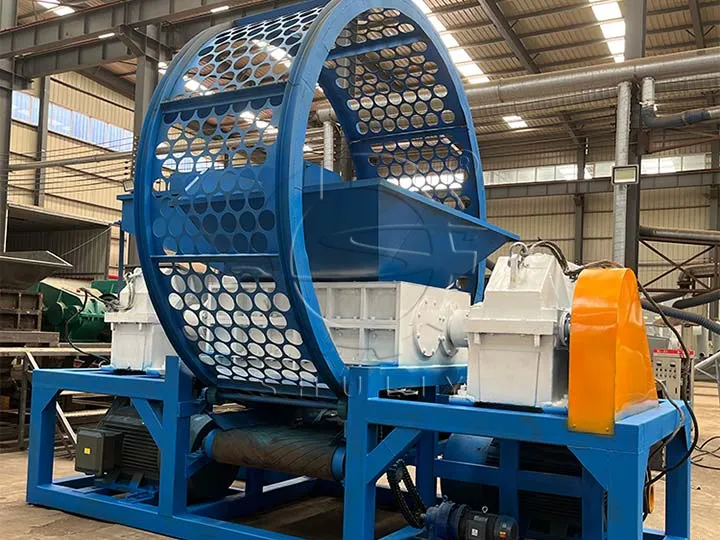
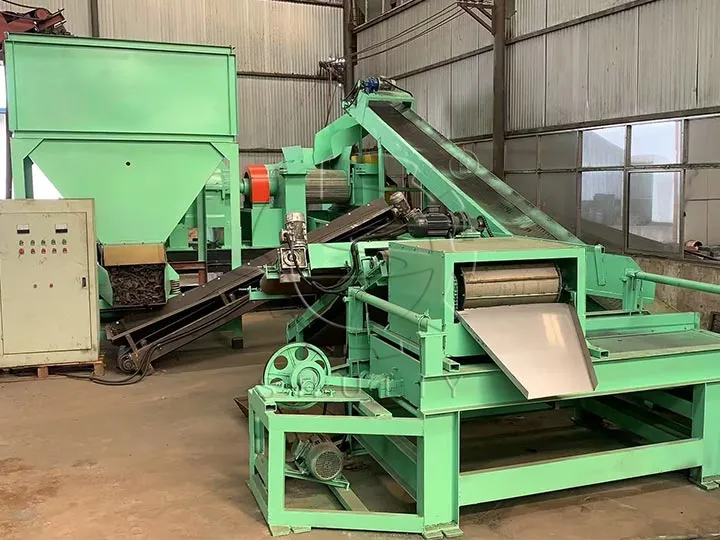
A complete tire recycling line consists of several key machines. Understanding these components helps you make informed decisions:
- Tire debeader: Extracts steel bead wires from tires – essential for rubber purity
- Tire Cutting Machine: Cut the tire into pieces after removing the steel wire.
- Tire shredding machine: Performs primary size reduction to 50-100mm rubber blocks
- Rubber crusher machine: Produces fine granules or powder from rubber blocks
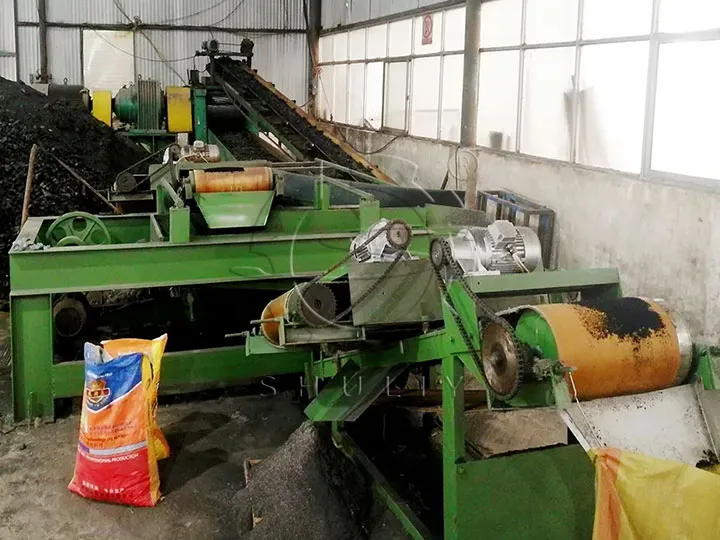
- Magnetic separator: Removes steel particles for high-purity output
- Fiber separator: Eliminates textile fibers from rubber material
For processing large OTR tires, specialized equipment like the OTR tire steel wire separator is required to handle the thick steel belts found in off-road mining tires.
5. Consider Your Budget and Space Constraints
Equipment investment should align with your business scale and available workspace. Options include:
- Complete turnkey lines: Higher initial investment but optimized integration and support
- Modular systems: Purchase core equipment first and expand gradually
- Individual machines: Best for businesses with existing equipment requiring specific upgrades
For businesses with limited capital, starting with essential equipment like a quality tire shredding machine and rubber crusher allows you to begin processing while planning for expansion.
Frequently Asked Questions
What is the difference between OTR tire recycling and passenger car tire recycling equipment?
OTR tire recycling machine is specifically designed for large mining and construction tires (1800-4000mm diameter) that contain significantly more steel reinforcement. These machines feature heavier-duty components, higher power ratings, and specialized pre-treatment systems like debeaders capable of handling the thick steel beads found in OTR tires. Standard passenger car tire recycling equipment cannot efficiently process OTR tires without significant modifications or risk of equipment damage.
Can I start with a single machine and expand later?
Yes, many tire recycling businesses start with essential equipment like a tire shredding machine or rubber crusher. You can gradually add components such as magnetic separators, fiber separators, and additional crushing stages as your operation grows and revenue allows. This modular approach reduces initial capital requirements while maintaining scalability.
What purity level can I achieve with standard equipment?
With proper magnetic separation and fiber removal systems, rubber powder purity can reach over 99%. The exact purity depends on the input tire types, mesh size requirements, and the configuration of your processing line. Coarser outputs (chips and granules) typically achieve higher purity levels more easily than fine powder specifications.
How long does it take to set up a tire recycling line?
Equipment installation and commissioning typically takes 2-4 weeks depending on the complexity of the system and whether existing infrastructure is in place. Complete turnkey installations including site preparation, equipment setup, operator training, and trial production can be completed within 4-8 weeks.
What maintenance is required for tire recycling equipment?
Regular maintenance includes daily inspections of blades and wear parts, weekly lubrication of moving components, monthly checks of electrical systems, and annual comprehensive inspections. Quality equipment like our tire shredding machines are designed for easy maintenance access with replaceable wear parts to minimize downtime.
Selecting the right tire recycling machine requires understanding your specific processing needs, output requirements, and business goals. Our engineering team has extensive experience in designing customized tire recycling solutions for various applications and scales of operation.
Whether you need a complete waste tire recycling plant for large-scale industrial processing or a targeted solution for specific tire types, we can provide equipment configurations tailored to your requirements. Contact us today for a detailed consultation and customized quotation for your tire recycling project.