Mesin Daur Ulang Ban Bekas Penghilang Kawat Bead
This article explains how the scrap tire recycling machine remove steel beads from passenger and truck tires under 1.2 meters in diameter. It introduces two practical solutions: bead cutting combined with a steel separator, and direct extraction using a wire drawing machine. The comparison helps readers understand the process differences and choose a suitable configuration based on capacity and layout requirements.
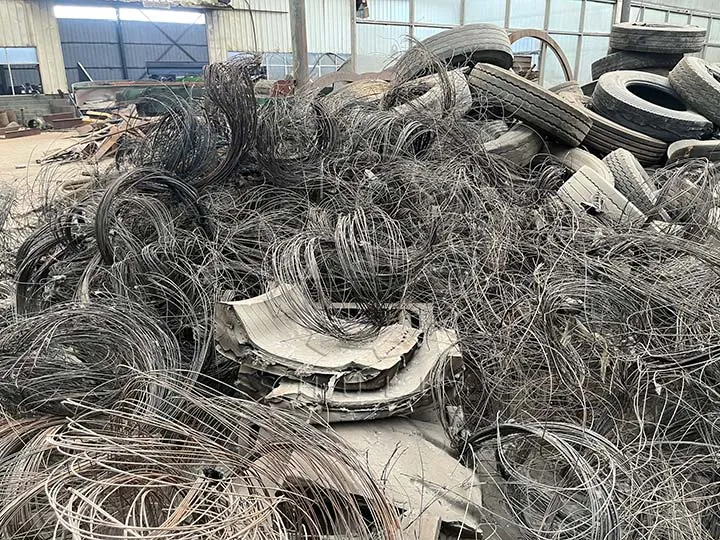
In any scrap tire recycling machine system, removing the steel beads is a critical first step. The steel beads located on both sides of passenger and truck tires are tightly embedded in rubber. If they are not removed in advance, they can reduce shredding efficiency, increase blade wear, and affect the stability of the entire tire recycling line.
This article introduces two common bead removal solutions, using tires with a diameter of 1.2 meters or less as an example. Both methods are widely used in scrap tire recycling machine configurations, and the right choice depends on production needs and plant layout.
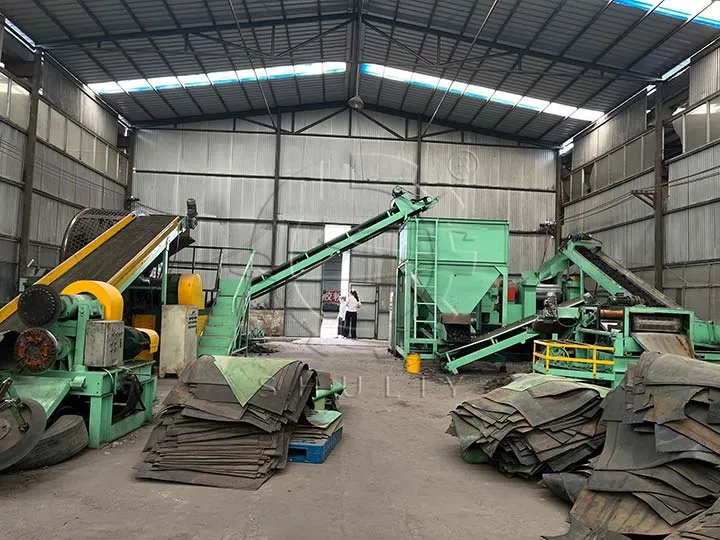
Solution 1: Tire Bead Cutting + Steel Wire Separator
This is a common and straightforward pre-treatment method.
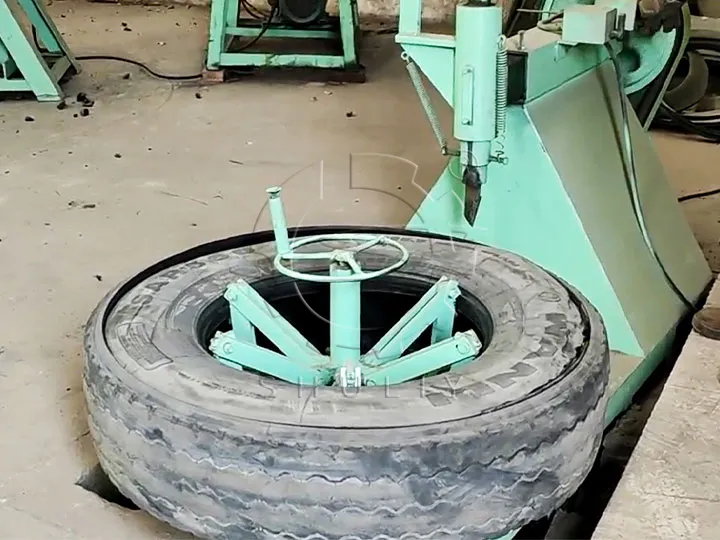
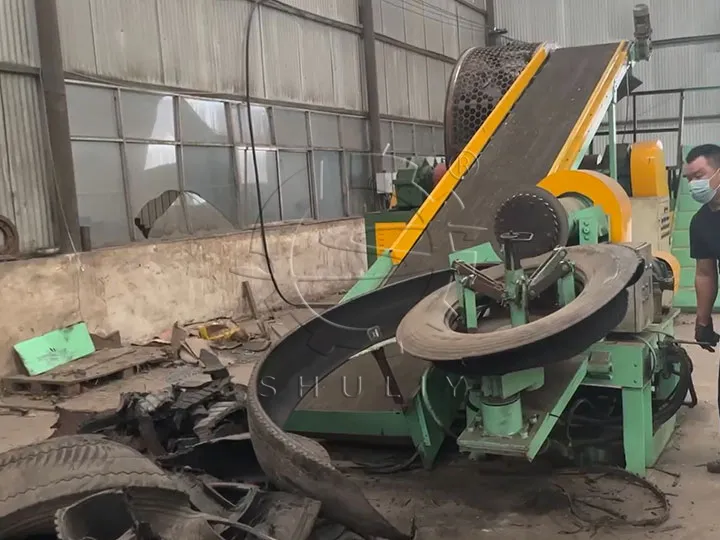
1. Tyre Bead Cutting Machine & Tire Dismantling Machine
The role of tire bead cutting machine and tire dismantling machine is:
- Concentrate the steel in a separate section
- Reduce the load on downstream equipment
- Improve overall line efficiency
After cutting, the steel-containing bead sections are sent to the next stage.
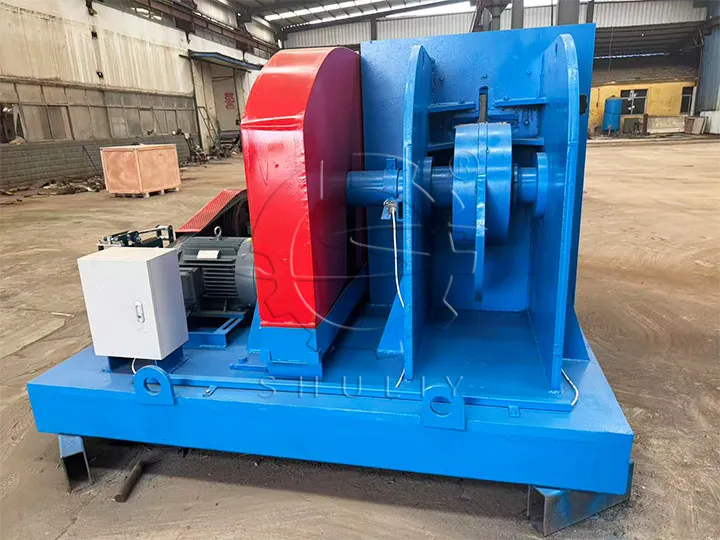
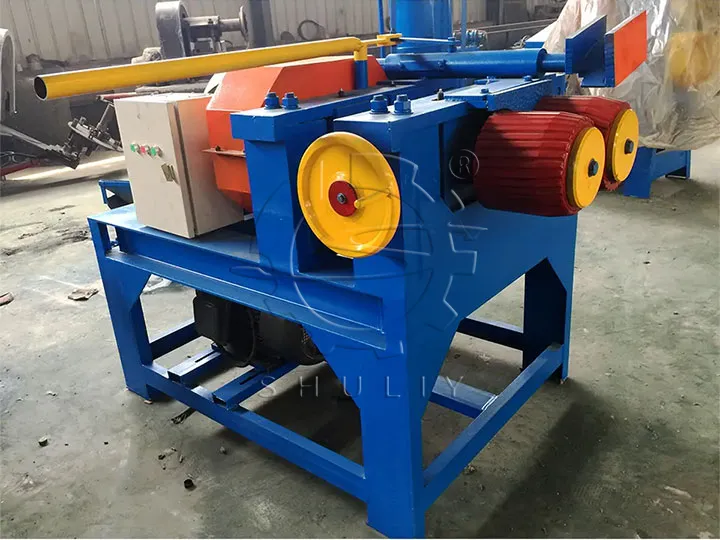
2. Tire Bead Wire Separator
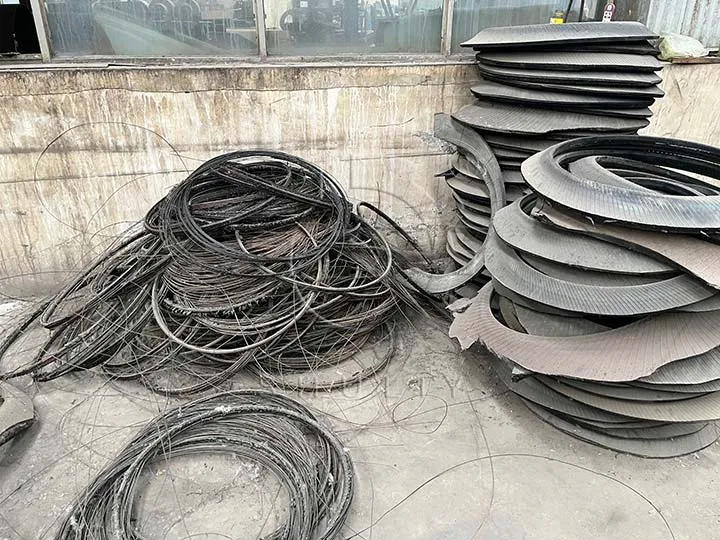
The cut bead sections then enter the tire bead wire separator. Using a two-roller pressing structure, the machine mechanically separates rubber from steel.
The results of separation:
- The rubber can move on to shredding or crushing
- Steel can be recovered separately for resale
- Overall resource utilization is improved
This solution is suitable for customers who require high steel separation purity or want to handle rubber and steel separately.
Solution 2: Direct Bead Wire Extraction with a Tire Wire Drawing Machine
Another option in a scrap tire recycling machine system is to directly extract the steel beads using a tire wire drawing machine(tire debeader). This method eliminates the bead cutting step and simplifies the workflow.
Instead of cutting the bead section first, the machine pulls the steel rings out from both sides of the tire.
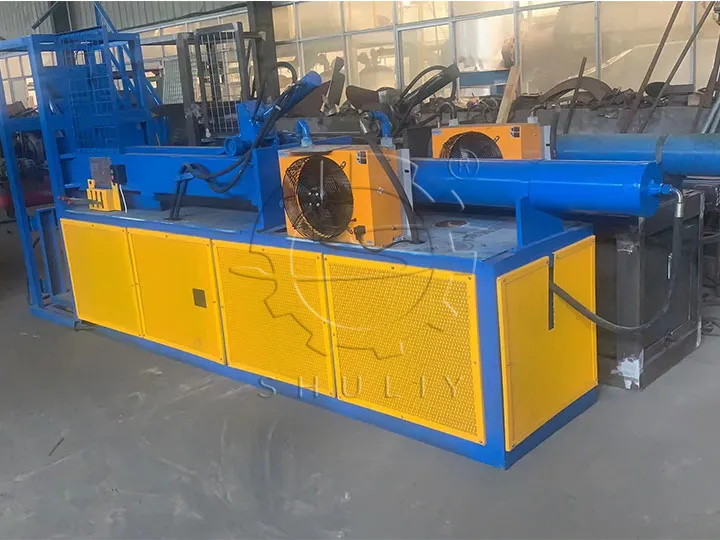
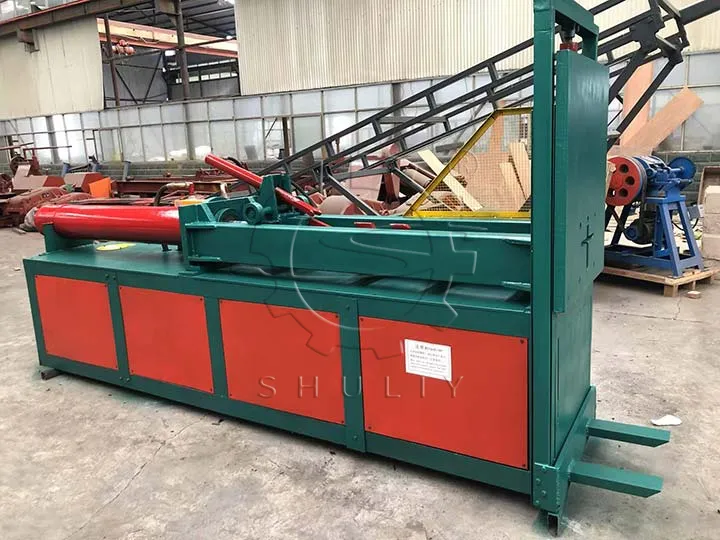
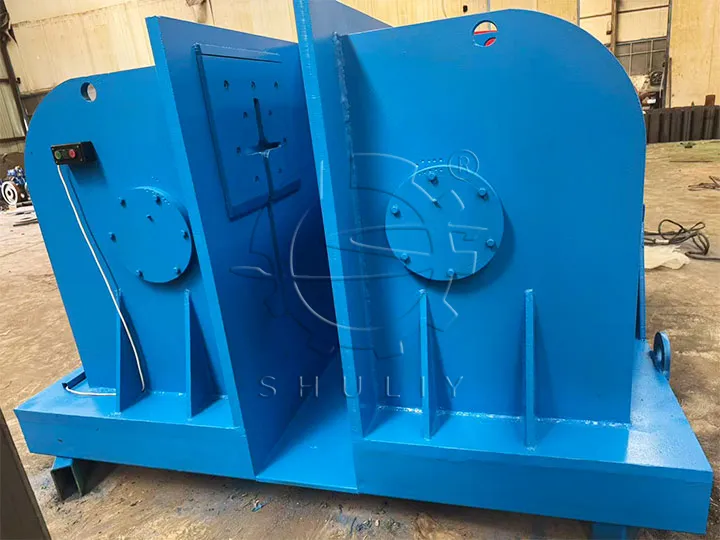
Four Types of Wire Drawing Machines We Offer
1. Single-Hook Tire Debeader Machine
Suitable for standard output needs, simple in structure and easy to operate.
2. Double-Hook Wire Drawing Machine
Higher efficiency, ideal for medium-volume tire processing.
3. Double-Hook Double-Side Tyre Debeader
Can handle both sides of the tire simultaneously, increasing productivity for continuous operations.
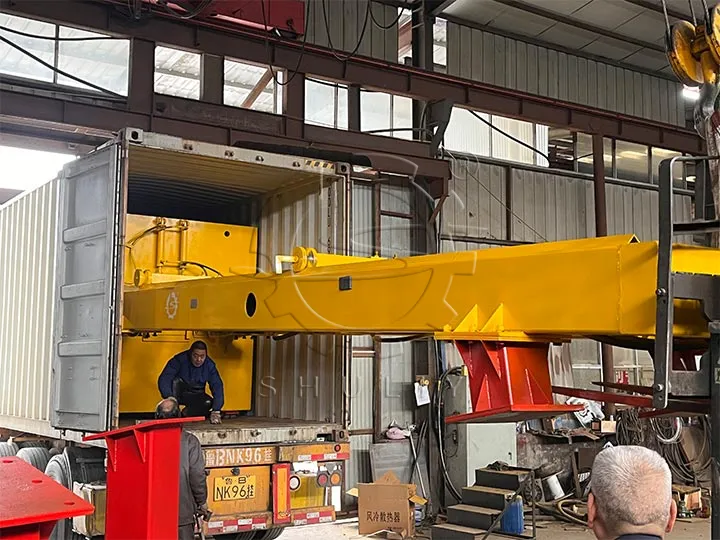
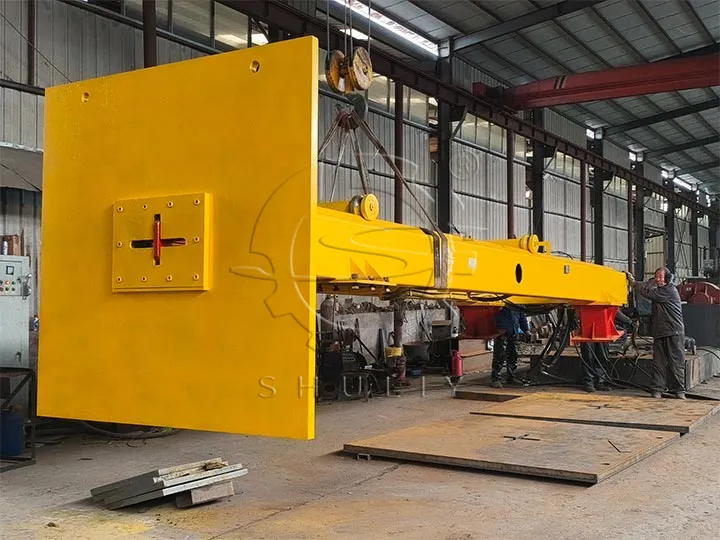
4. Debeader Machine for Large Tires
Designed for construction or heavy-duty tires with thicker structure, stronger pulling force, and more stable build.
This approach reduces equipment combinations and can make the front-end layout of a scrap tire recycling machine line more compact.
How to Choose the Right Configuration?
Both solutions are effective, and the selection depends on operational needs.
| Comparison | Bead Cutting + Separator | Wire Drawing Machine |
| Process Structure | Step-by-step separation | Simplified workflow |
| Equipment Setup | Two-stage equipment | Single-stage equipment |
| Application Focus | Controlled separation | Faster pre-treatment |
| Large Tire Handling | Requires suitable model | Dedicated heavy-duty model available |
When designing a scrap tire recycling machine line, factors to consider include:
- Tire size and type
- Required processing capacity
- Workshop space
- Budget planning
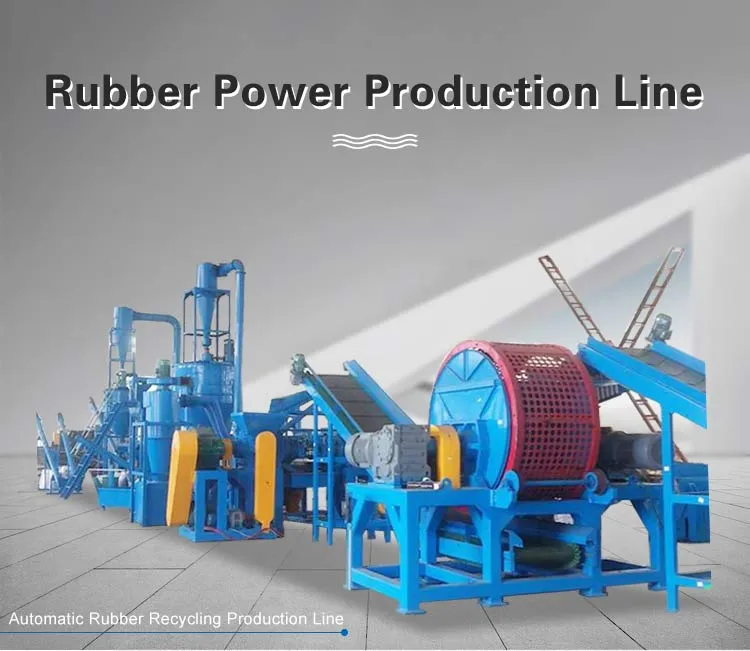
- Downstream processing goals (shredding, rubber granules, or powder production)
Kesimpulan
In a tire recycling line, removing steel belts directly affects line efficiency and equipment life. Whether using the bead cutting + separator solution or the wire drawing direct extraction solution, the key is to match the solution to actual operational needs.
For detailed configuration options or equipment specifications, you can provide your tire types and processing requirements, and we can offer tailored recommendations.