Tire Recycling Machines: Environmental Benefits and Market Prospects
Discover how tire recycling machines are transforming waste management and creating sustainable business opportunities. Learn about the environmental benefits, market growth, and investment potential of tire recycling technology.
The global tire waste crisis is reaching critical levels, with millions of tires discarded annually. Tire recycling machines are emerging as a powerful solution that not only addresses environmental concerns but also creates significant business opportunities. This article explores the environmental benefits of tire recycling technology and its growing market prospects.
1. The Global Tire Waste Challenge
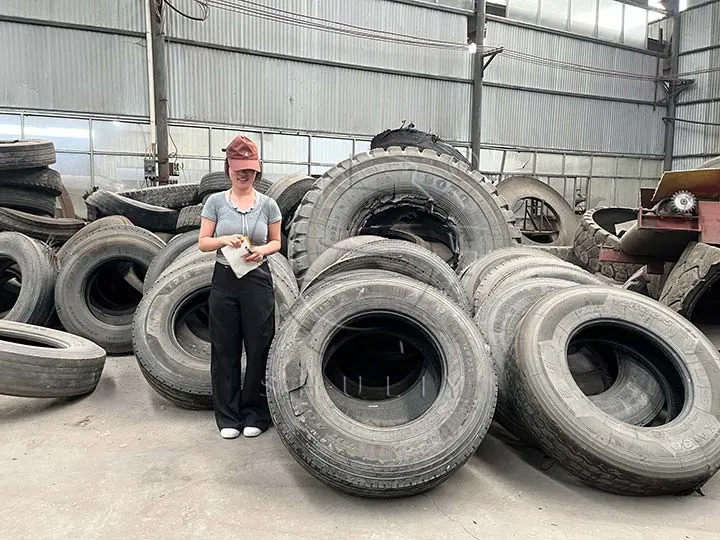
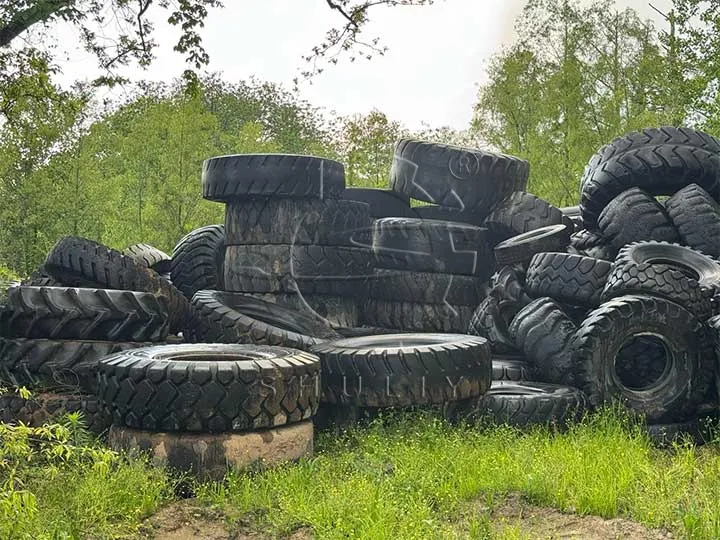
Each year, approximately 1.5 billion tires are discarded worldwide, creating a massive environmental challenge. Traditional disposal methods like landfilling and incineration pose serious environmental risks, including:
- Landfill space depletion: Tires take up valuable landfill space and can leach harmful chemicals
- Fire hazards: Tire piles are highly flammable and produce toxic smoke when burned
- Health risks: Decomposing tires release harmful chemicals into soil and groundwater
- Resource waste: Tires contain valuable materials that can be recovered and reused
2. Environmental Benefits of Tire Recycling Machines
Tire recycling machines transform waste tires into valuable resources, offering multiple environmental benefits:
2.1 Resource Conservation
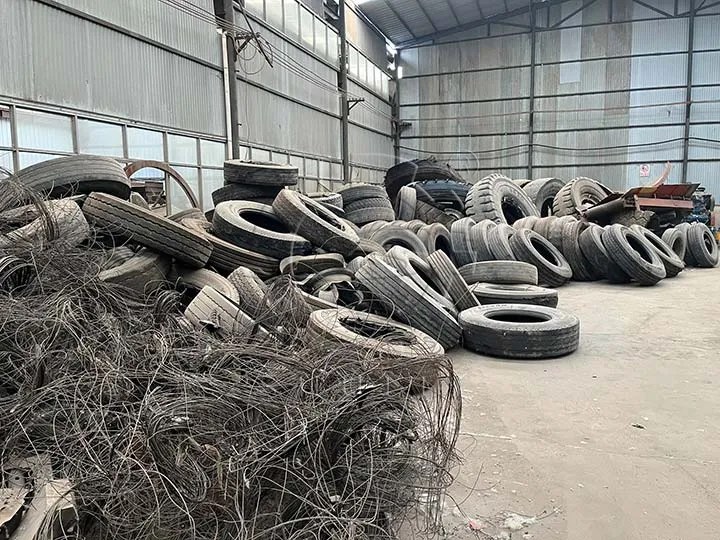
Tire recycling machines recover valuable materials from waste tires, including:
| Recovered Material | Environmental Benefit | Applications |
|---|---|---|
| Rubber | Reduces need for virgin rubber production | Rubber tiles, playground surfaces, modified asphalt |
| Steel | Conserves natural resources and energy | Steel production, construction materials |
| Fiber | Diverts waste from landfills | Insulation, composite materials |


2.2 Energy Savings
Recycling tires requires significantly less energy than producing new materials from raw resources. Studies show that recycling one ton of rubber saves approximately 200 gallons of oil and reduces CO2 emissions by up to 1.2 tons.
2.3 Landfill Reduction
Tire recycling machines divert millions of tires from landfills each year. A single waste tire takes up to 80 years to decompose in a landfill, while recycled tires can be processed into useful products within hours.
2.4 Pollution Prevention
By preventing tire fires and reducing the need for incineration, tire recycling machines help prevent the release of toxic chemicals and greenhouse gases into the atmosphere. The closed-loop recycling process minimizes environmental impact throughout the production cycle.
3. Tire Recycling Process and Technology
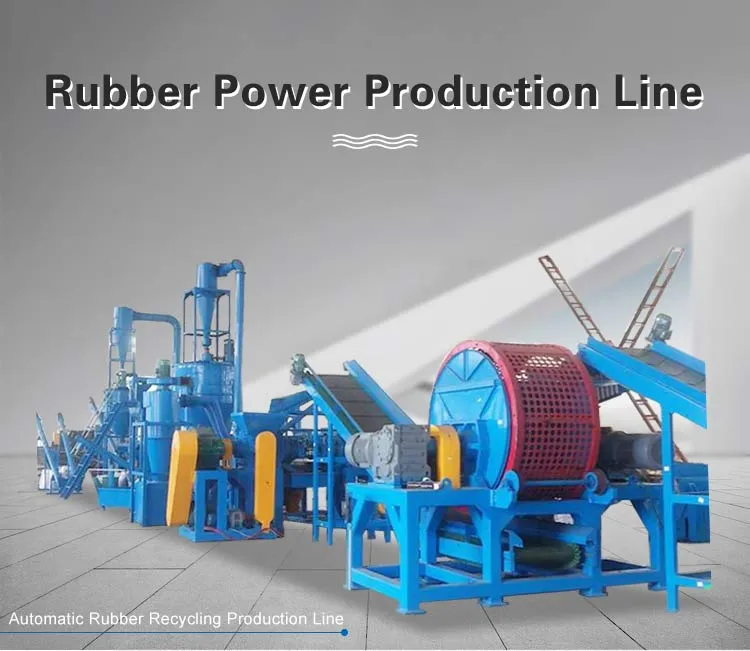
Modern tire recycling machines use advanced technology to efficiently process waste tires through a multi-stage process:
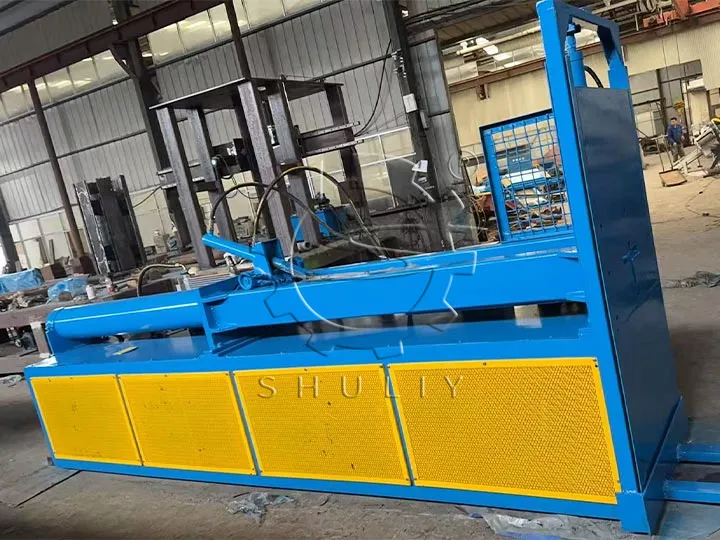
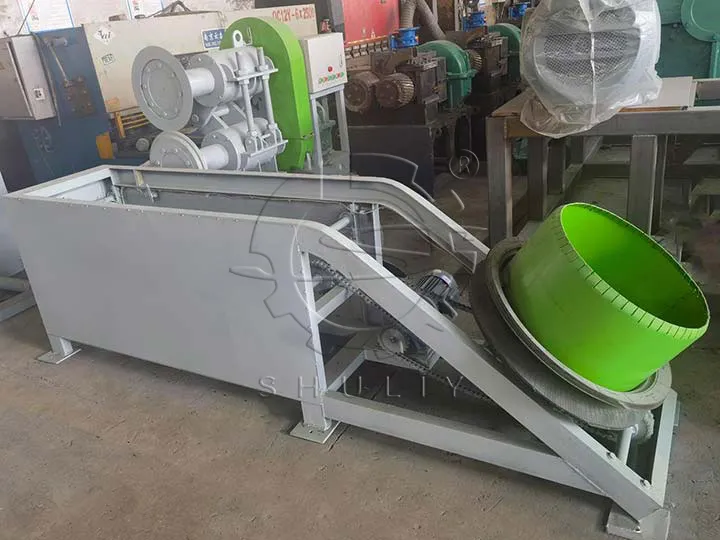
- Pre-treatment: Tires contain steel wire beads inside, and whole tires are difficult to shred directly. Therefore, pre-processing is usually required before shredding. We offer a variety of pretreatment solutions.
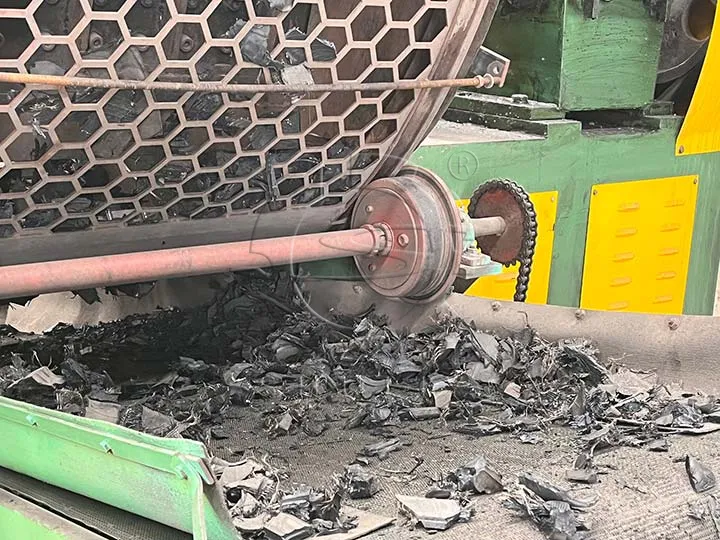
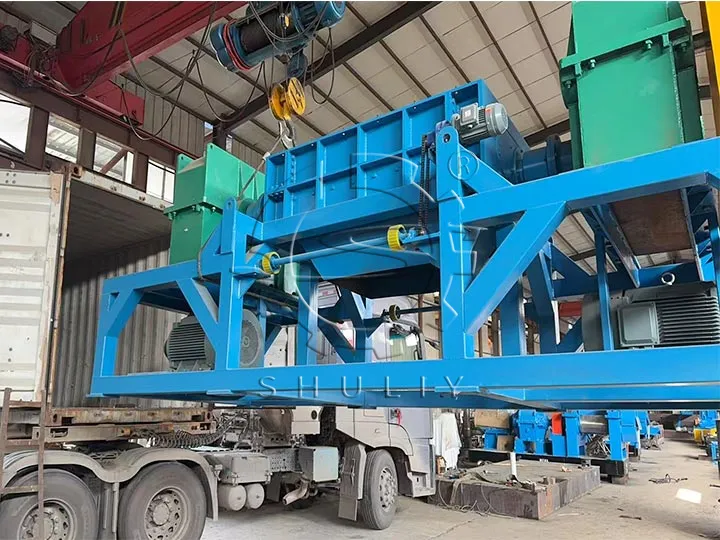
- Primary shredding: Tire shredding machines reduce tires to smaller pieces
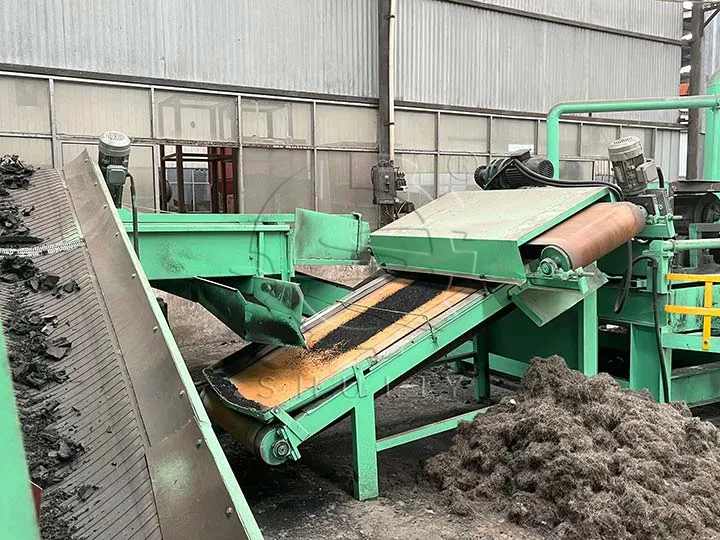
- Steel separation: Magnetic separation removes steel wires from rubber
- Secondary processing: Rubber crusher machines grind rubber into powder or granules
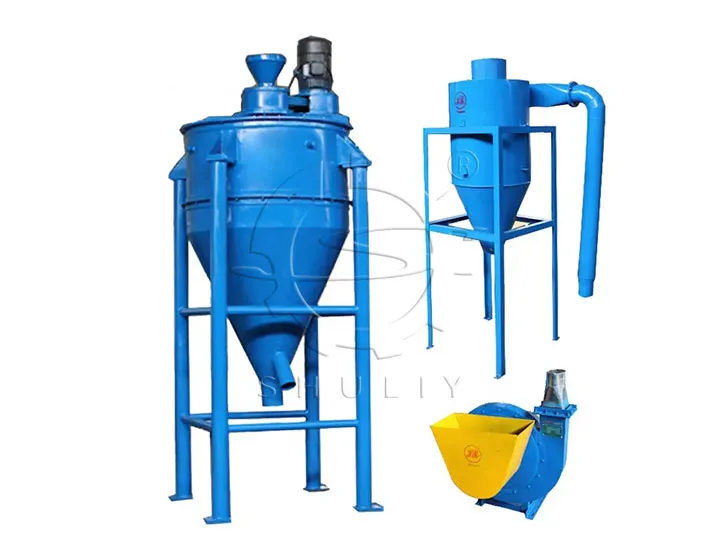
- Fiber separation: Fiber separators remove remaining textile fibers
4. Market Prospects and Growth Trends
The tire recycling market is experiencing significant growth, driven by environmental regulations, resource scarcity, and increasing awareness of sustainable practices:
4.1 Global Market Growth
According to industry reports, the global tire recycling market is projected to grow at a CAGR of 5.8% from 2026 to 2032, reaching an estimated value of $6.2 billion by 2032. Key growth drivers include:
- Stringent environmental regulations: Increasing restrictions on tire disposal in landfills
- Growing demand for recycled rubber: Expanding applications in construction, automotive, and consumer products
- Rising raw material costs: Making recycled materials more economically viable
- Corporate sustainability initiatives: Companies seeking to reduce their environmental footprint
4.2 Regional Market Analysis
| Region | Market Growth Rate | Key Drivers |
|---|---|---|
| North America | 6.2% | Strict environmental regulations, advanced recycling infrastructure |
| Europe | 5.9% | Circular economy initiatives, government incentives |
| Asia-Pacific | 7.1% | Rapid industrialization, growing automotive sector |
| Rest of World | 4.8% | Increasing awareness, developing recycling capacity |
5. Investment Potential and ROI
Tire recycling presents attractive investment opportunities with favorable return on investment (ROI) potential:
5.1 Business Models
- Full-service recycling: Complete tire recycling operations processing raw tires to finished products
- Material processing: Focusing on specific processing stages, such as shredding or rubber powder production
- Equipment supply: Manufacturing and selling tire recycling machinery to other businesses
5.2 Revenue Streams
Tire recycling operations generate revenue from multiple sources:
- Recycled rubber products: Rubber powder, granules, and chips for various applications
- Steel recovery: Scrap steel from tire beads and belts
- Tire collection fees: Charging for tire disposal services
- Government incentives: Grants and subsidies for recycling initiatives
6. Success Story: Transforming Tire Waste into Opportunity
A recent case study from our client in Australia demonstrates the transformative potential of tire recycling technology:
Client Challenge: A waste management company needed to comply with new environmental regulations that restricted tire landfilling.
Solution: We provided a complete waste tire recycling line including tire shredders, rubber crushers, and fiber separators.
Results:
- Processed 5,000 tons of waste tires in the first year
- Generated significant revenue from recycled materials
- Achieved ROI in 18 months
- Reduced carbon footprint by 3,000 tons annually
Tire recycling machines represent a powerful solution to the global tire waste crisis, offering both environmental benefits and business opportunities. As environmental regulations tighten and the demand for sustainable materials grows, the tire recycling market is poised for significant expansion.
Whether you’re looking to start a new recycling business or upgrade existing operations, our comprehensive range of tire recycling equipment can help you capitalize on this growing market while contributing to a more sustainable future. Contact our team to discuss your specific needs and explore how tire recycling technology can benefit your business.