OTR Tire Recycling Business: Investment Analysis and Profit Potential
Discover the investment potential of OTR tire recycling business. Analyze startup costs, operating expenses, revenue streams, and expected ROI for mining tire recycling operations.
The global demand for sustainable rubber recycling solutions continues to grow as mining and construction industries seek environmentally responsible methods for handling spent tires. Off-The-Road (OTR) tires, used in heavy equipment at mining sites and large-scale construction projects, represent a particularly valuable but challenging material stream. This investment analysis examines the financial viability of establishing an OTR tire recycling operation.
Understanding the OTR Tire Recycling Market
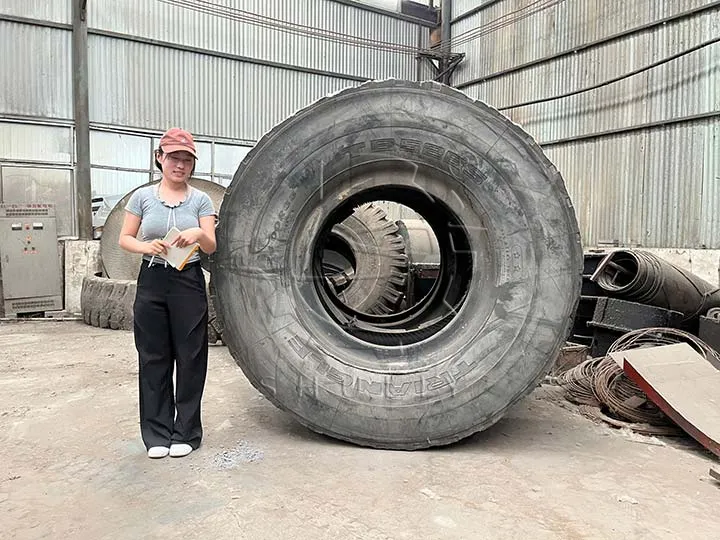
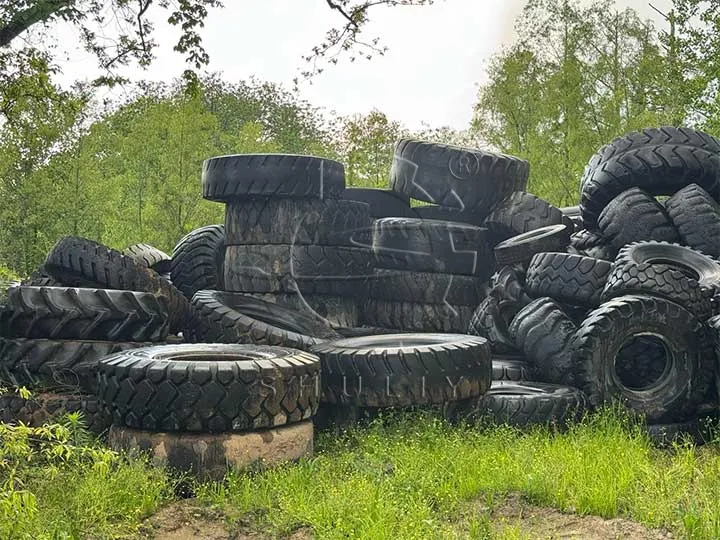
OTR tires are significantly larger than passenger vehicle tires, with diameters ranging from 24 inches to 63 inches (1800mm to 4000mm). These tires are used in massive earthmoving equipment, mining dump trucks, and heavy industrial machinery. Unlike standard tires, OTR tires can weigh between 500kg to 4000kg each, containing substantial amounts of high-quality rubber and steel.
Key market drivers include:
- Environmental regulations: Many countries mandate proper disposal or recycling of industrial tires
- Steel value: OTR tires contain significant steel (15-25% by weight) with strong scrap metal value
- Rubber demand: Recycled rubber is used in construction, road surfaces, and industrial products
- Landfill restrictions: Increasing costs and prohibitions on tire disposal in landfills
Core Equipment Components
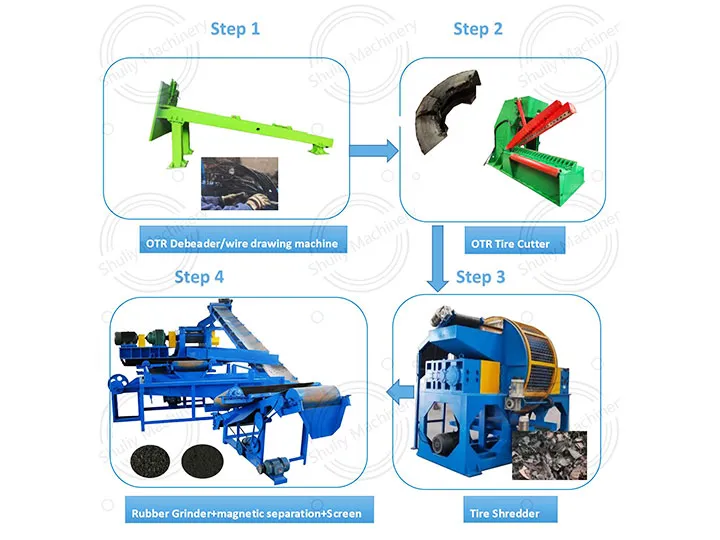
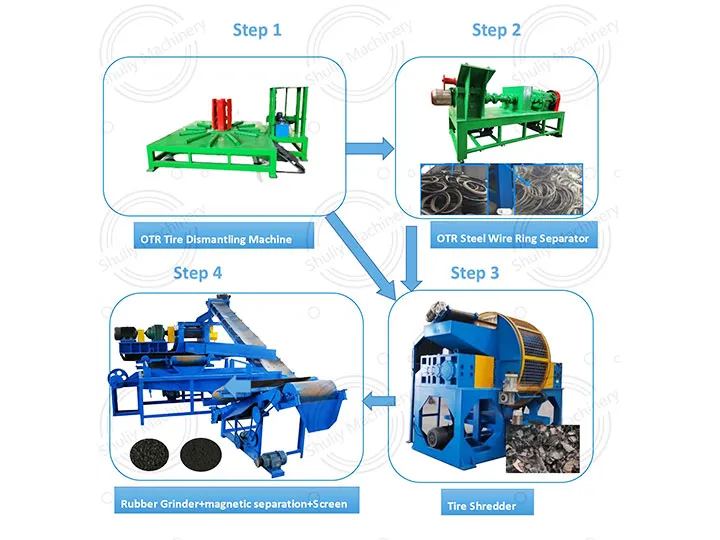
Establishing an OTR tire recycling operation requires specialized equipment designed for large industrial tires. Here are the essential machine categories:
| Equipment Component | Function | Key Considerations |
|---|---|---|
| OTR Debeader | Extract steel bead wires from large tires | Must handle high torque requirements |
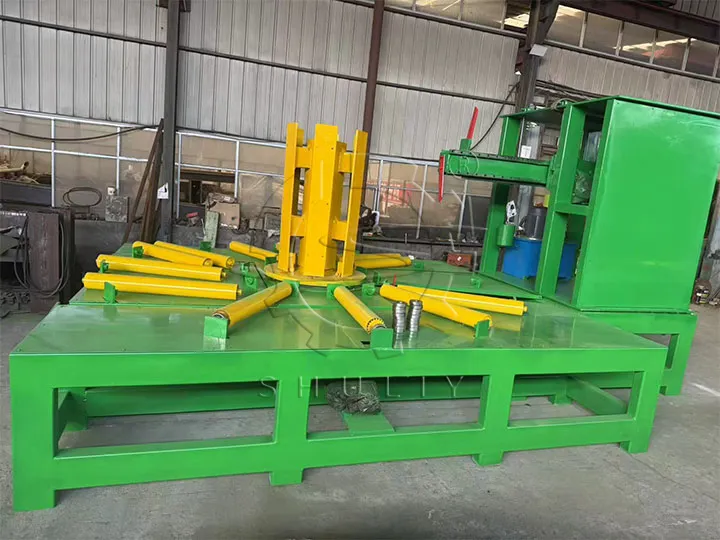
| OTR Dismantling Machine | Cut tires into manageable sections | Heavy-duty cutting capacity essential |
| Tire Shredding Machine | Primary size reduction | High-power industrial-grade shredder |
| OTR Steel Wire Separator | Remove residual steel from rubber | Efficient separation for high purity |
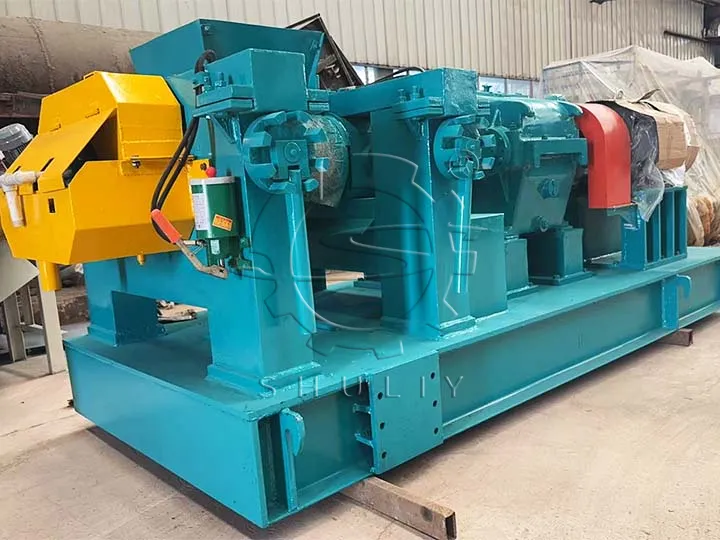
| Rubber Crusher Machine | Produce rubber granules or powder | Adjustable output particle sizes |
| Magnetic Separation System | Recover steel particles | Complete steel extraction |
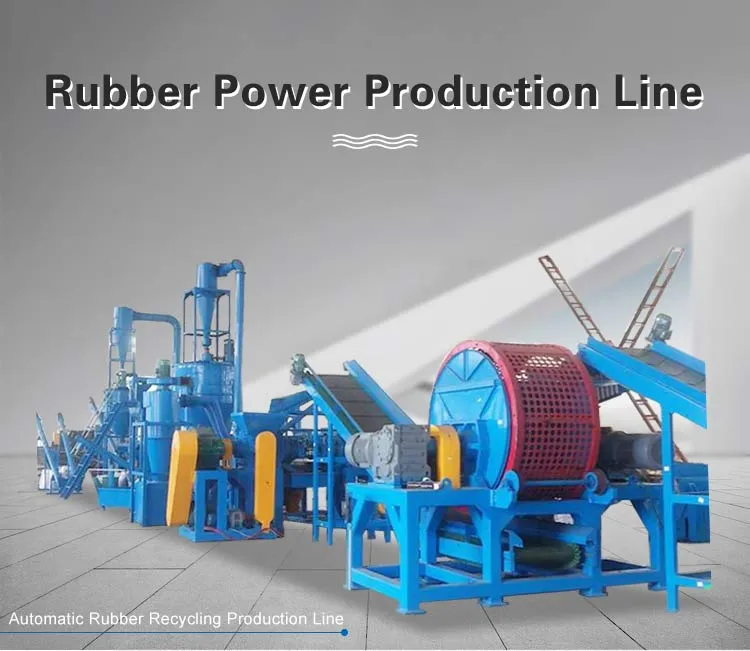
Additional startup considerations include site preparation, utility installations, permitting, and working capital for initial operations. Our waste tire recycling line configurations can be customized to match your processing requirements.
Two OTR Recycling Solutions
Revenue Streams from OTR Tire Recycling
OTR tire recycling generates multiple revenue streams from recovered materials. Each processed tire yields both steel and rubber products with varying market applications:
| Product | Applications | Market Segments |
|---|---|---|
| Steel Scrap | Steel mills, scrap metal dealers | Construction, manufacturing |
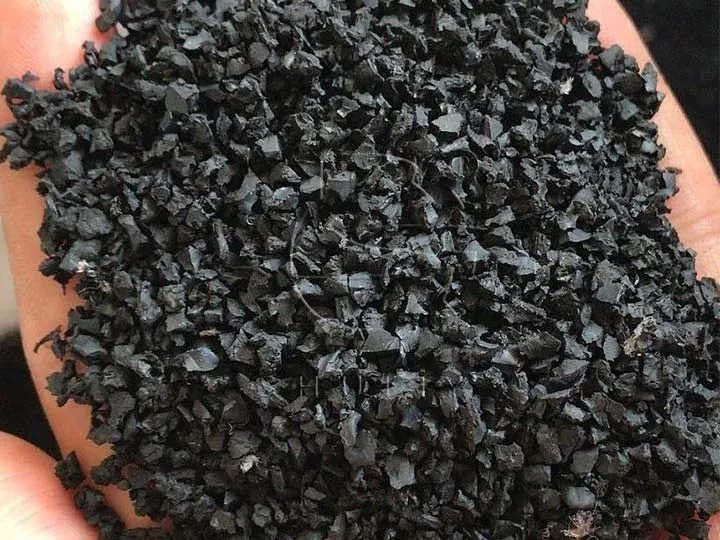
| Rubber Chips (5-10mm) | Rubber tiles, playground surfaces | Construction, safety surfaces |
| Rubber Granules (1-5mm) | Sports surfaces, artificial turf | Sports industry, landscaping |
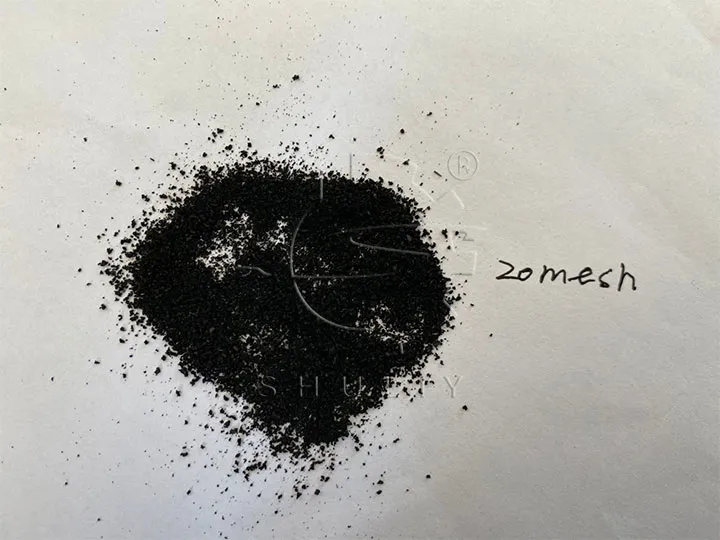
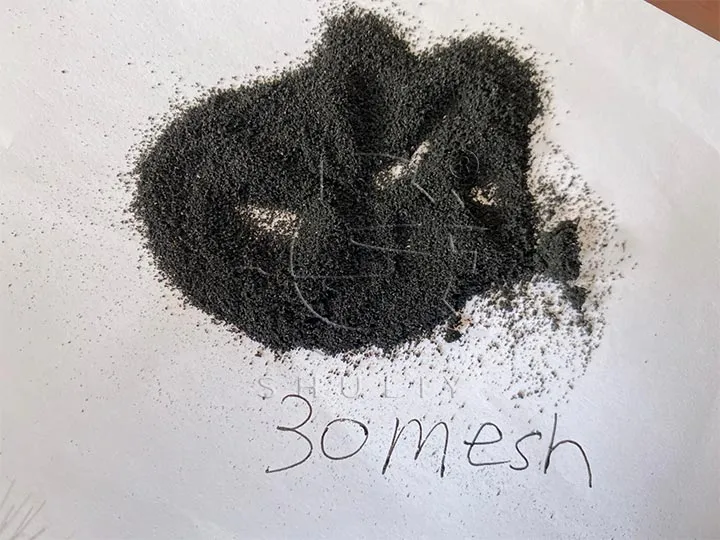
| Rubber Powder (20-40 mesh) | Modified asphalt, construction | Road construction, building materials |
| Fine Rubber Powder (40-120 mesh) | Industrial rubber products | Manufacturing, specialized applications |
Product quality directly influences market value. Rubber powder with 99% purity commands premium pricing in the modified asphalt and sports surfacing industries.
Processing Capacity and Scale
OTR tire recycling operations can be configured for various scales based on raw material availability and market demand. Understanding capacity requirements helps determine equipment selection and facility planning:
- Processing Capacity: Operations typically process 5-7 tons of OTR tires per hour at medium scale
- Operating Schedule: Most facilities operate 8 hours per day, 300 days per year
- Annual Throughput: A medium-scale operation can process 12,000 – 16,800 tons of OTR tires annually
- Output Value: Combined steel and rubber products generate significant revenue per ton processed
After accounting for operating costs including raw materials, labor, utilities, maintenance, and logistics, net profit margins typically range from 15% to 30%. Most well-managed OTR tire recycling operations achieve return on investment within 2-3 years.
Key Success Factors
Several critical factors influence the success and profitability of an OTR tire recycling venture:
- Raw material sourcing: Secure partnerships with mining companies, construction firms, or tire dealers for consistent tire supply
- Location logistics: Proximity to tire sources reduces transportation costs significantly
- Product quality: Achieving 99% rubber powder purity opens premium market opportunities
- Equipment reliability: Quality machinery from established manufacturers minimizes downtime
- Regulatory compliance: Proper permits and environmental compliance avoid costly interruptions
Investing in reliable equipment such as our OTR debeader and OTR tire steel wire separator ensures consistent processing performance and high-quality output.
Risk Considerations
Like any industrial investment, OTR tire recycling involves certain risks that should be carefully evaluated:
- Market price volatility: Steel and rubber prices fluctuate based on commodity markets
- Equipment wear: Processing large OTR tires with thick steel belts causes significant wear on shredding and crushing components
- Competition: Regional market saturation may affect raw material sourcing and product pricing
- Regulatory changes: Evolving environmental regulations may require equipment upgrades
- Cash flow timing: Initial ramp-up period may experience slower revenue than projected
Conducting thorough due diligence and developing contingency plans for these risks significantly improves the likelihood of long-term success.
Frequently Asked Questions
What is the typical payback period for an OTR tire recycling business?
Most OTR tire recycling operations achieve return on investment within 2-3 years under normal market conditions. Key factors affecting payback timeline include raw material sourcing efficiency, processing capacity utilization, product quality achieved, and market conditions for steel and rubber. Operations with secured long-term tire supply contracts and premium product offtake agreements typically reach profitability faster.
What size OTR tires can your equipment process?
Our OTR tire recycling equipment handles tires ranging from 1800mm to 4000mm in diameter, covering the vast majority of off-the-road mining and construction tires. This includes common sizes like 24.00R35, 29.5R29, 33.25R29, 36.00R51, and larger custom specifications used in massive mining equipment.
What is the difference between processing OTR tires versus passenger car tires?
OTR tires are significantly larger (1800-4000mm vs 15-22 inches), heavier (500-4000kg vs 5-20kg), and contain substantially more steel reinforcement. OTR processing requires specialized equipment including heavy-duty debeaders and industrial-grade shredders capable of handling the thick steel belts and massive bead wires. Standard tire recycling equipment cannot efficiently process OTR tires without significant modifications.
Can I start with a smaller operation and scale up?
Yes, modular equipment configurations allow you to start with essential machines and expand capacity as your business grows. Many operators begin with a tire shredding machine and rubber crusher for initial processing, then add debeaders, separators, and additional crushing stages as revenue permits. This approach reduces initial capital requirements while maintaining scalability.
What maintenance is required for OTR tire recycling equipment?
OTR tire recycling equipment requires regular maintenance due to the abrasive nature of the material. Daily inspections of blades and wear parts, weekly lubrication, monthly electrical checks, and annual comprehensive servicing are standard. Our equipment features replaceable wear parts designed for easy maintenance access, minimizing operational downtime.
What end markets exist for recycled OTR tire products?
Recovered steel is sold to steel mills and scrap metal dealers. Rubber chips and granules are used in rubber tiles, playground surfaces, sports tracks, and artificial turf infill. Fine rubber powder is applied in modified asphalt for roads, construction materials, and various industrial rubber products. High-purity rubber powder commands premium pricing in specialized applications.
Understanding the investment requirements and market potential is the first step toward building a successful OTR tire recycling business. Our team of experienced engineers can help you develop a customized solution that matches your processing requirements and growth objectives.
We offer complete OTR waste tire recycling line configurations as well as individual equipment sales for businesses at different stages of growth. Contact us to discuss your project requirements and receive a detailed equipment proposal.