Rubber Tile Making Machine
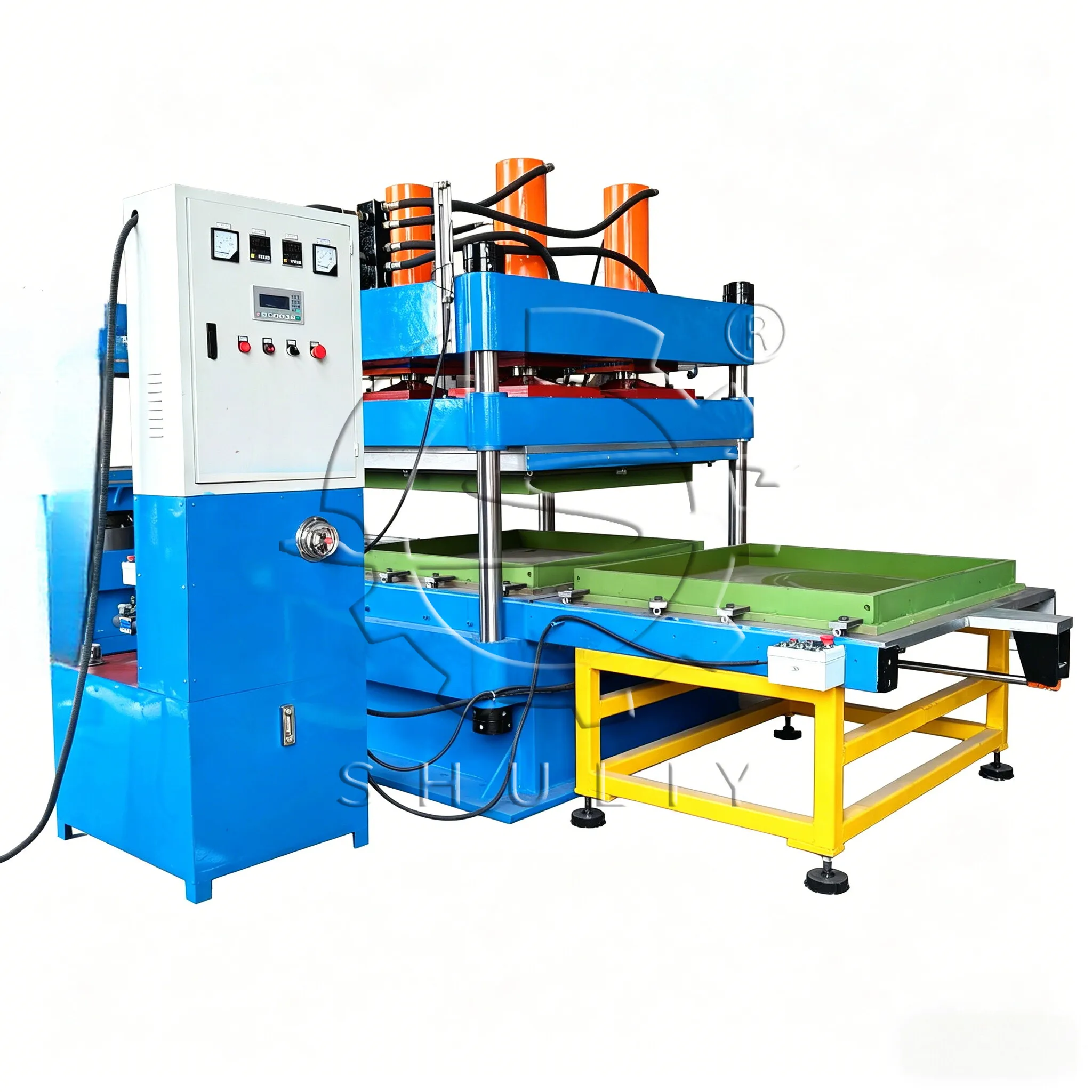
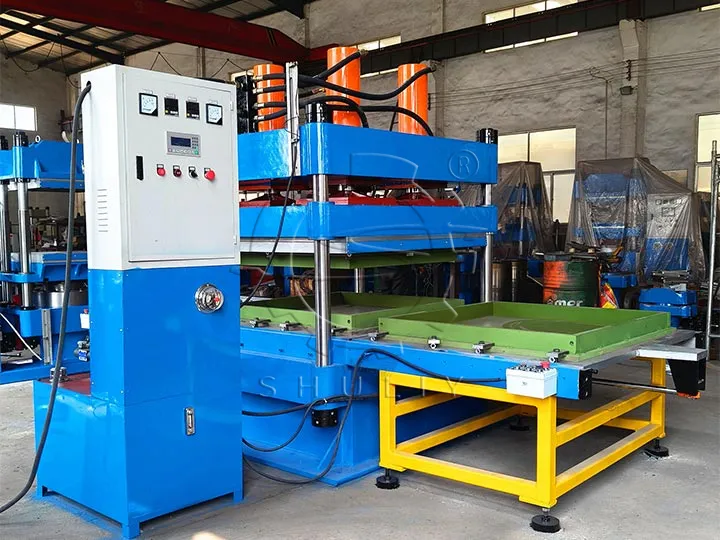
Rubber tile making machine is a specialized piece of equipment designed to produce durable, anti-slip rubber tiles through a combined process of heating, pressing, and vulcanization, widely used in recycling waste tires into high-value flooring products.
What Is a Rubber Floor Tiles Making Machine?
A rubber tile forming machine (also known as a rubber tiles vulcanizing press) is engineered to convert rubber granules and binders into solid tiles by applying heat and pressure. Through the rubber vulcanization process, loose rubber particles are transformed into strong, elastic, and long-lasting floor tiles.
What Problems Can This Machine Solve for You?
Many customers usually ask:
- Is it complicated to operate?
- Does it require a lot of labor?
- Is the machine stable?
This rubber tile making machine is designed with real production needs in mind:
- Easy to operate, even for beginners
- Automatic temperature and time control
- Stable performance with low noise and vibration
- Integrated structure for easy installation and maintenance
In short, it’s a machine that is reliable, efficient, and easy to manage.
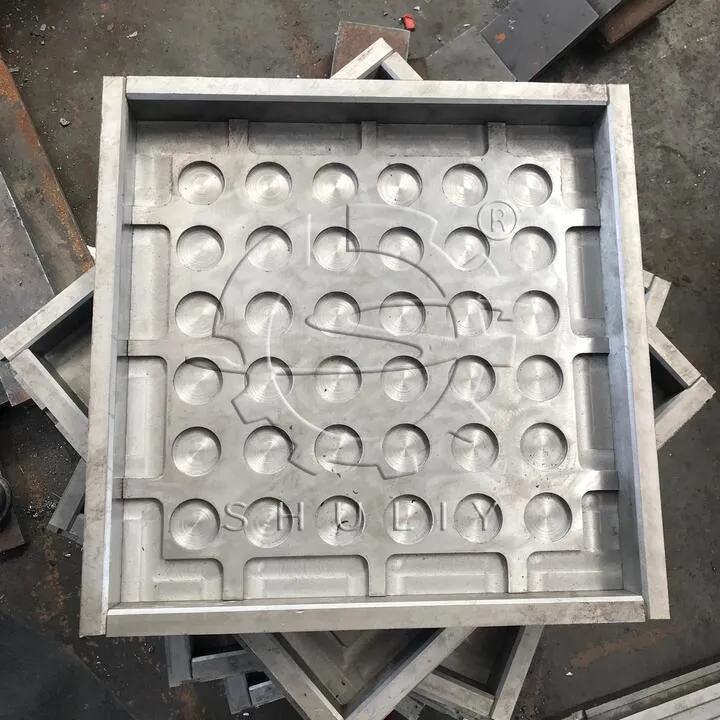
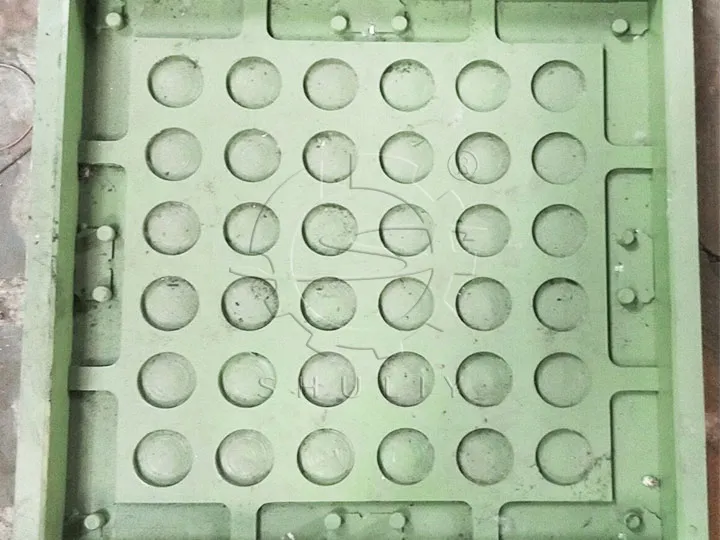
Mold System: Determines What You Can Produce
Many people overlook the mold, but it directly impacts your product range and competitiveness.
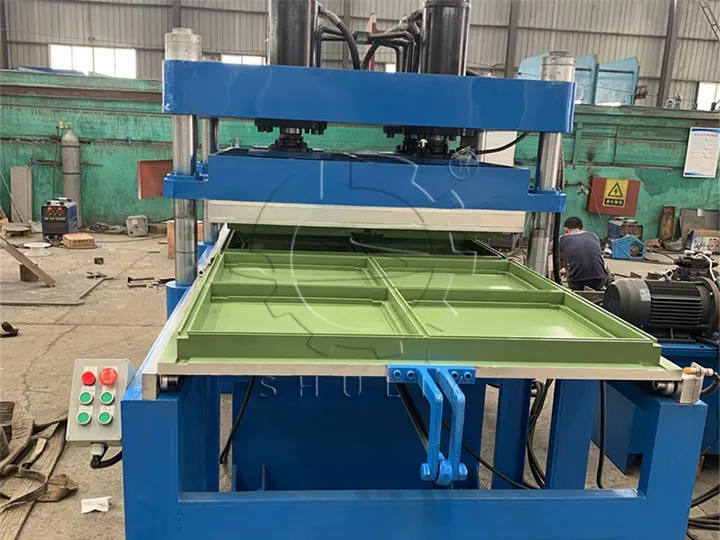
Adjustable tooling design with four thickness options: 15mm / 20mm / 25mm / 30mm
Teflon-coated surface:
- Non-stick, easy demolding
- No need to spray release agent every cycle
- Reduces long-term operating costs
- Improves efficiency
Push-pull mold structure:
- Quick mold replacement
- Less labor intensity
What Types of Rubber Tiles Can You Make?
This is often a key concern: can you produce different products?
The answer is yes.
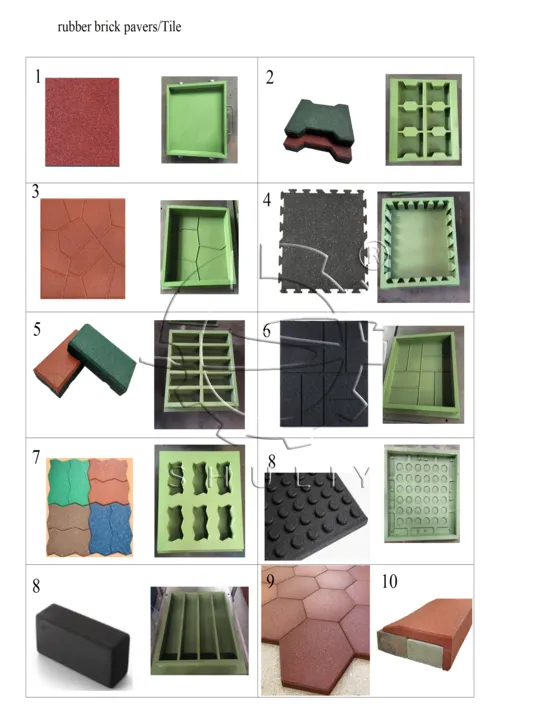
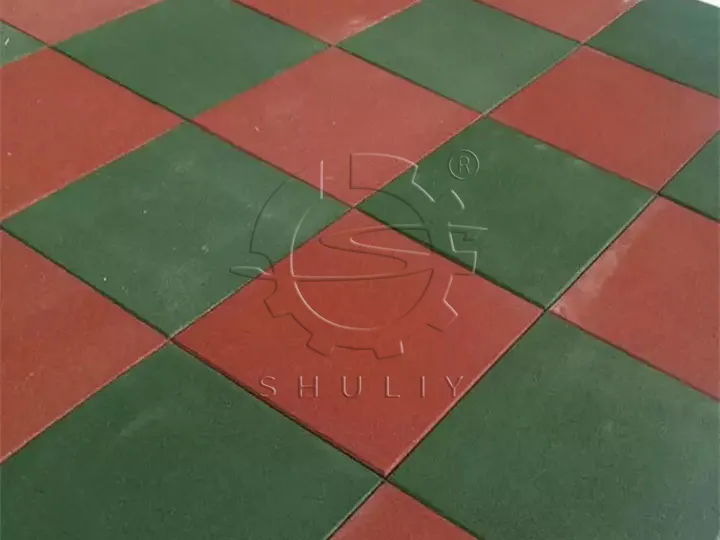
With different molds, the rubber tile machine can manufacture various rubber tile shapes, such as:
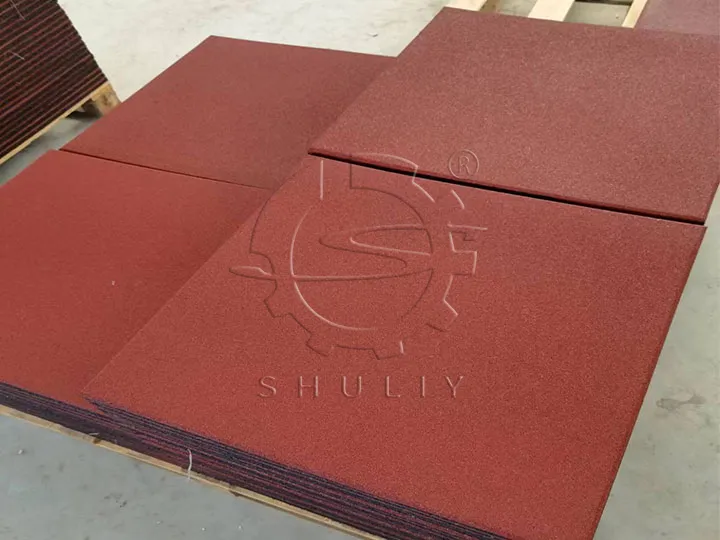
- Square tiles (e.g., 500×500 mm, 1000×1000 mm)
- Rectangular tiles
- Interlocking tiles (puzzle-style)
- Rubber pavers
- Customized shapes with logos or patterns
This flexibility helps you serve multiple markets such as gyms, playgrounds, and public projects.
Working Process of Rubber Tile Making Machine
The production process is simple and efficient:
1. Mixing
Rubber granules, binder, and pigments are mixed evenly (4–6 minutes)
2. Weighing & Layering
- Fine colored rubber granules for the surface layer
- Coarse black rubber granules for the base layer
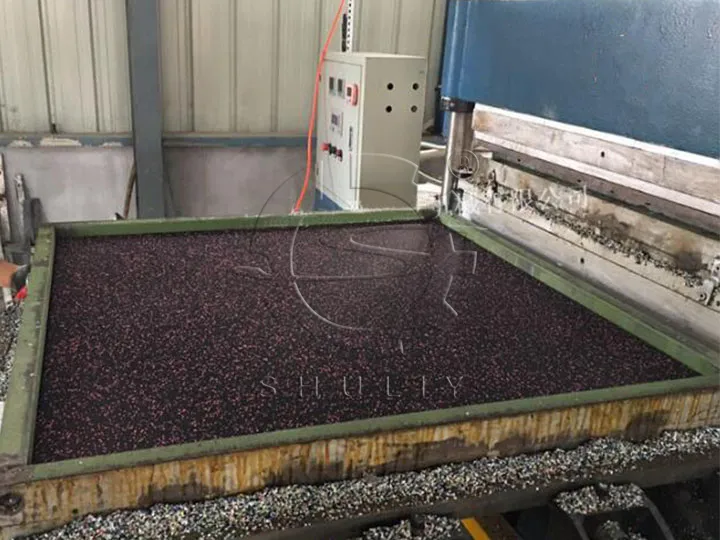
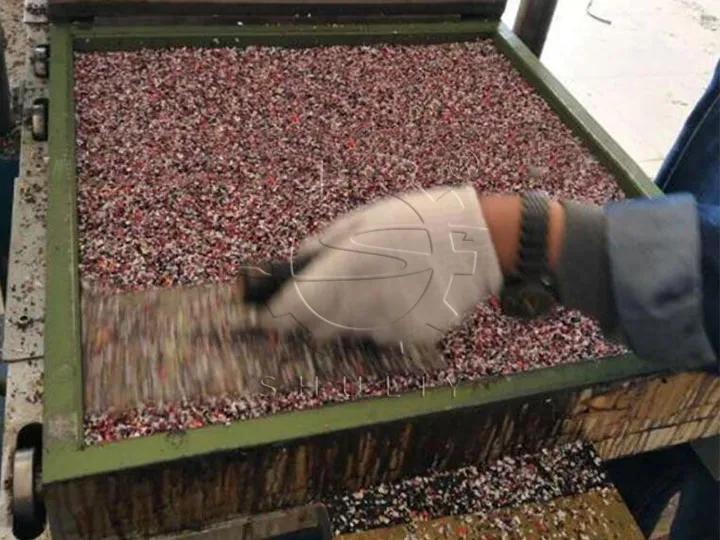
3. Filling & Leveling
Materials are placed into the mold and leveled
4. Vulcanization & Pressing
- Heating, pressing, and curing occur simultaneously
- Processing time: 3–8 minutes
5. Demolding & Cooling
Finished tiles are removed and cooled on racks
6. Inspection
Ensure consistent color, accurate size, and smooth surface
Machine Structure and Technical Highlights
- Column-type structure with downward pressing system
- Hydraulic pressure ensures strong and uniform compaction
- Electric heating tubes for stable temperature control
- High-strength cylinder made of ductile iron for durability
- Oil-resistant sealing rings for long service life
Rubber Tile Making Machine Technical Parameters
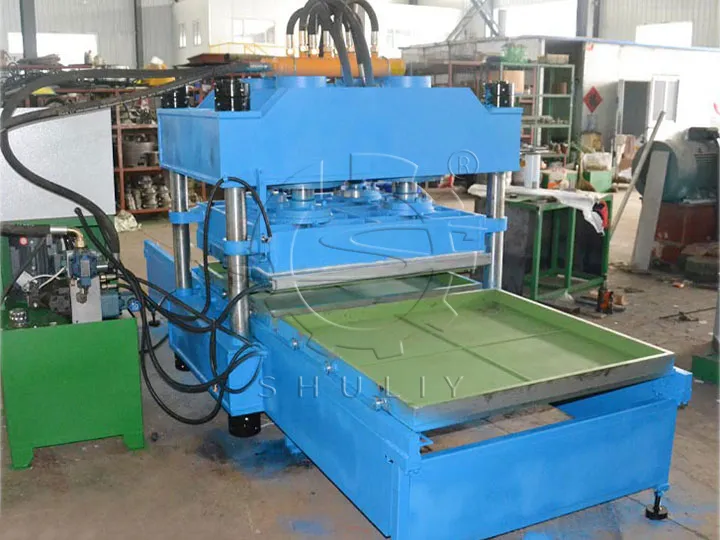
Model D1100 × 1100
- Total Pressure: 120 tons
- Heating Plate Size: 1100 × 1100 × 50 mm
- Layers: 1–2
- Motor Power: 4 kW
- Tile Size: 500×500 mm / 1000×1000 mm
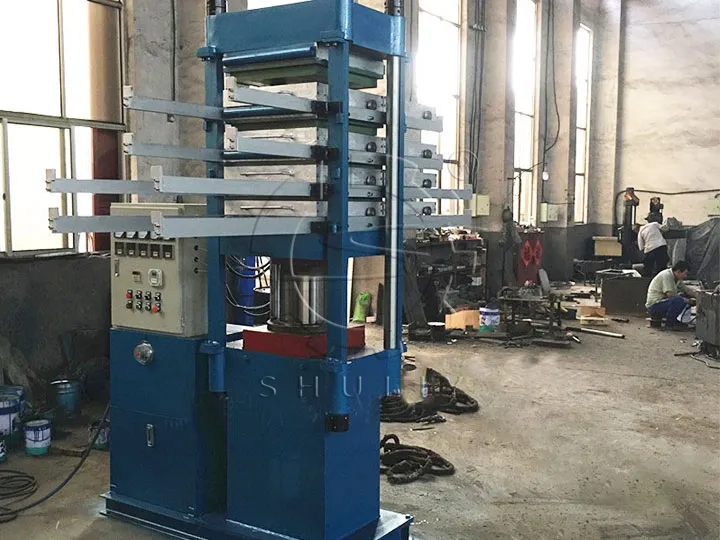
Model D550 × 550
- Total Pressure: 50 tons
- Heating Plate Size: 550 × 550 × 45 mm
- Layers: 4
- Motor Power: 3 kW
- Tile Size: 500×500 mm
Cooperative Application of Rubber Tile Molding Machine and Rubber Powder Machine
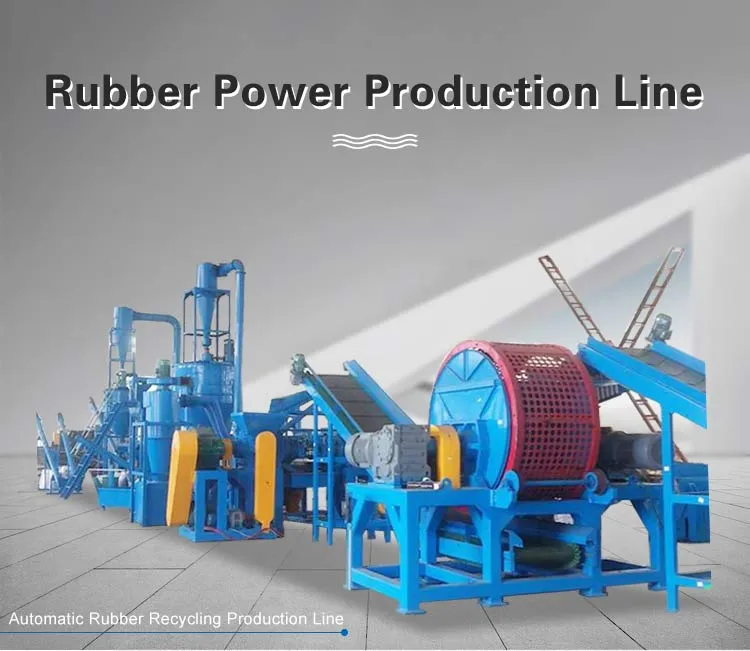
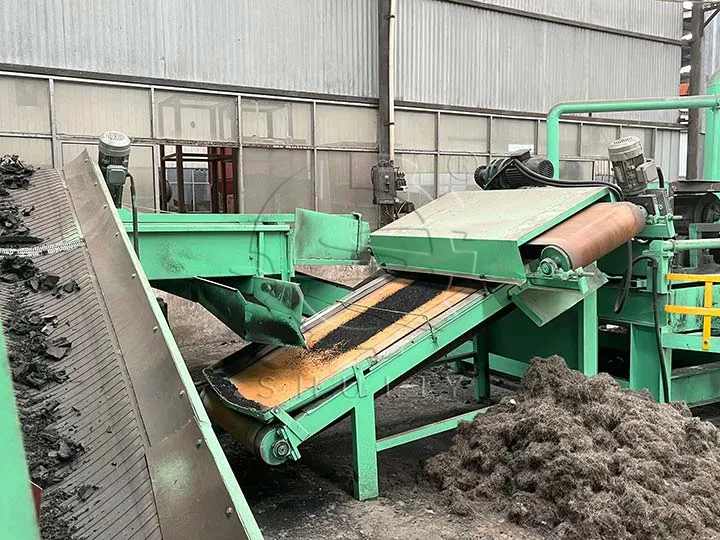
In the production process of rubber floor tiles, the rubber tile molding machine is typically used together with a rubber powder making machine to form a complete waste tire recycling and reprocessing production line.
The rubber powder machine is mainly used to process waste tires, rubber scraps, and other raw materials into rubber granules or rubber powder of different particle sizes. These materials serve as the core raw materials for rubber tile production. After crushing and screening, the rubber particles can be separated into coarse granules (used for the bottom layer of tiles) and fine granules (used for the surface layer), ensuring both structural strength and surface aesthetics of the finished tiles.
In the actual production process:
- The rubber powder mill is responsible for raw material processing (tires → rubber particles)
- The rubber tile making machine is responsible for shaping (particles → finished tiles)
The combination of these two machines not only enables efficient utilization of waste rubber but also significantly increases product added value. With this integrated configuration, manufacturers can achieve a closed-loop production system from raw material processing to final product output, reducing raw material costs while improving overall production efficiency and market competitiveness.
Applications of Rubber Tiles
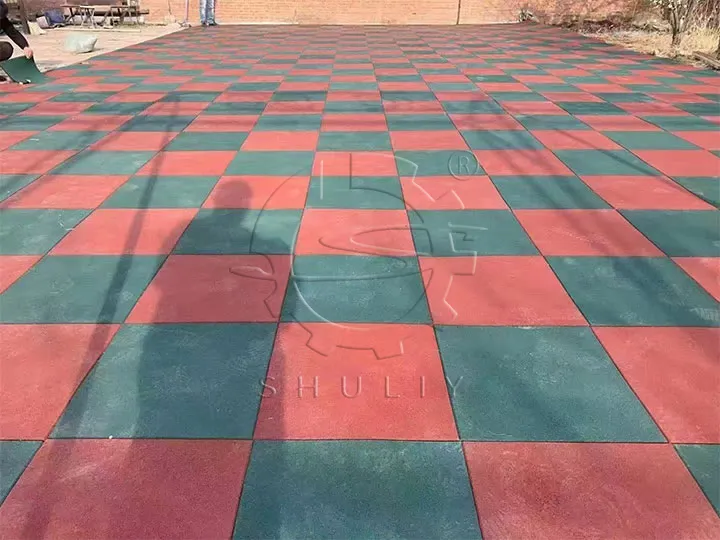
Rubber tiles produced by this rubber tile making machine are widely used in:
- Playgrounds
- Gyms and fitness centers
- Schools and sports fields
- Parks and walkways
- Animal farms and stables
They provide excellent:
- Shock absorption
- Anti-slip performance
- Weather resistance
Conclusion
The rubber tile making machine is more than just equipment—it’s a practical way to turn rubber waste into profitable products.
If you’re considering this project, feel free to share:
Your raw material situation (tires or rubber granules)
Your target tile size or market
I can help you choose the right configuration and even design a complete production line for you.